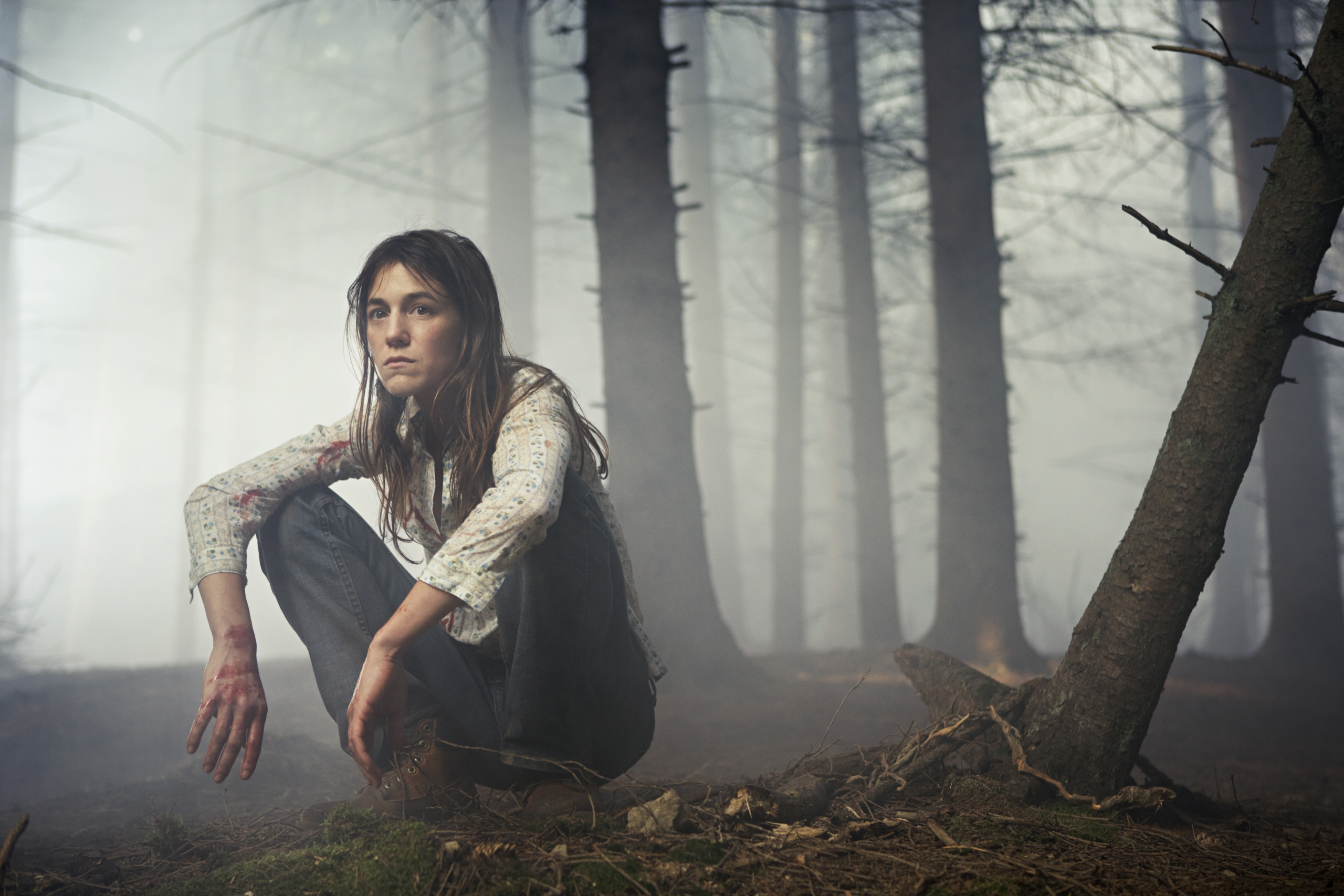
What Makes a Movie Truly Disturbing?
Not all disturbing films rely on graphic violence. Many of the most unsettling movies create discomfort through psychological suffering and emotional trauma rather than explicit imagery. These films immerse viewers in prolonged fear, grief, guilt, or mental collapse, allowing distress to build gradually instead of shocking the audience with sudden moments of brutality. While graphic violence can be visually intense, it often fades quickly. Psychological and emotional suffering, however, lingers because it forces the viewer to experience pain from inside the character’s perspective.
What makes some films truly disturbing is the presence of meaningless suffering pain that offers no lesson, relief, or moral resolution. In such stories, characters endure trauma without redemption or explanation, challenging the comforting belief that suffering must lead to growth or justice. This absence of meaning denies closure and leaves the audience unsettled long after the film ends. Rather than shocking through violence alone, these films disturb by confronting viewers with the possibility that pain can exist without purpose, making the experience deeply uncomfortable and difficult to forget.
12 Most Disturbing Movies Ever Made (Curated & Explained)
1. Martyrs (2008)
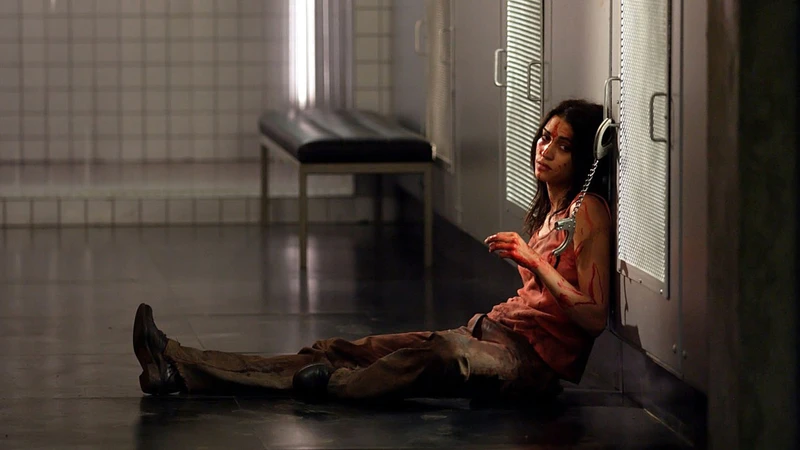
Often cited among the most disturbing movies of all time, Martyrs stands as one of the most uncompromising disturbing foreign films ever made. Directed by Pascal Laugier, the film begins like a revenge thriller but slowly reveals a far more philosophical and unsettling core. The story follows two young women bound by childhood trauma, leading into a hidden world where suffering is methodically inflicted in the pursuit of transcendence.
What separates Martyrs from typical extreme cinema is its intent. The violence is not sensationalized; it is cold, procedural, and emotionally draining. The film forces viewers to confront suffering without catharsis, meaning, or moral reassurance. Rather than shocking for entertainment, it challenges the belief that pain must serve a higher purpose.
As one of the most extreme foreign movies ever released, Martyrs is difficult to endure and even harder to forget. Its legacy lies not in graphic content alone, but in its refusal to comfort the audience. The film ends with ambiguity, leaving viewers unsettled by questions rather than answers , a defining trait of truly disturbing cinema.
| Detail | Information |
|---|---|
| Director | Pascal Laugier |
| Year Released | 2008 |
| IMDB Rating | 7.0/10 |
| Budget | Not officially disclosed |
| Location of Shooting | France, Canada |
| Making Duration | Not widely documented |
| Language | French |
| Country | France |
| Run Time | 99 minutes |
| Box Office Collection | Limited theatrical data |
| Production House | Eskwad, TCB Film |
| Cast | Morjana Alaoui, Mylène Jampanoï |
2. Antichrist (2009)
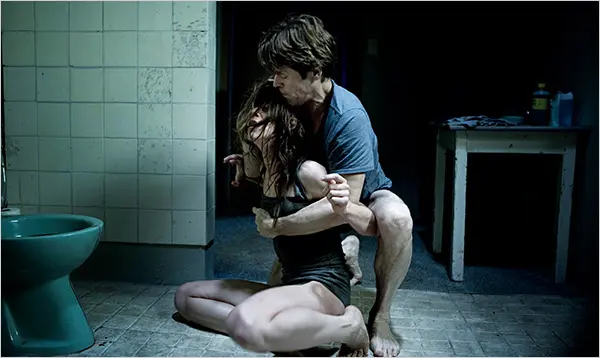
Lars von Trier’s Antichrist is often listed among the most disturbing movies of all time, not because of plot complexity, but due to its raw emotional and symbolic intensity. Unlike many disturbing Hollywood movies, Antichrist operates more like a psychological descent than a conventional narrative. It explores grief, guilt, sexuality, and nature through a deeply unsettling lens.
The film follows a couple retreating into isolation after the death of their child, where grief mutates into paranoia, violence, and psychological collapse. Von Trier uses disturbing imagery not for shock alone, but as expressions of internal torment. The forest setting becomes oppressive, mirroring the characters’ mental disintegration.
As a disturbing foreign film, Antichrist is unapologetically confrontational. It offers no moral guidance or emotional relief. Viewers are forced to sit with discomfort, ambiguity, and unresolved pain. The film’s reputation comes from how intimately it portrays suffering, making the experience deeply personal and often unbearable.
Rather than relying on external horror, Antichrist disturbs by exposing the darkest corners of the human psyche.
| Detail | Information |
|---|---|
| Director | Lars von Trier |
| Year Released | 2009 |
| IMDB Rating | 6.5/10 |
| Budget | $11 million (approx.) |
| Location of Shooting | Germany |
| Making Duration | Approx. 40–60 days |
| Language | English |
| Country | Denmark |
| Run Time | 108 minutes |
| Box Office Collection | $7 million (approx.) |
| Production House | Zentropa Entertainments |
| Cast | Willem Dafoe, Charlotte Gainsbourg |
3. Salò, or the 120 Days of Sodom (1975)
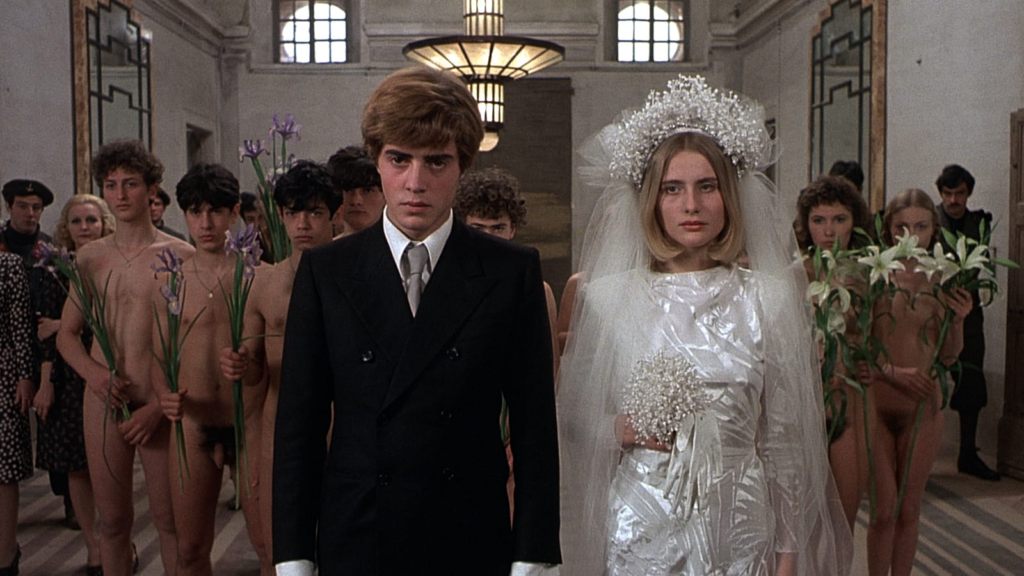
Pier Paolo Pasolini’s Salò is widely regarded as one of the most disturbing movies of all time due to its unflinching portrayal of power, cruelty, and dehumanization. Set during fascist Italy, the film depicts a group of elites systematically abusing and humiliating young captives under the guise of absolute authority.
As one of the earliest extreme foreign movies, Salò is not meant to entertain. Its purpose is political and philosophical. The film strips away any sense of humanity, showing how ideology and unchecked power can reduce people to objects. The suffering is deliberate, repetitive, and emotionally exhausting.
What makes Salò particularly disturbing is its emotional detachment. There is no suspense, no escape, and no redemption. The atrocities unfold with bureaucratic precision, emphasizing the banality of evil rather than emotional chaos.
Often discussed among the most disturbing foreign films ever made, Salò remains controversial decades later because it refuses interpretation as simple shock cinema. It is a bleak, uncompromising examination of cruelty rooted in control, making it one of the hardest films to watch — and harder to forget.
| Detail | Information |
|---|---|
| Director | Pier Paolo Pasolini |
| Year Released | 1975 |
| IMDB Rating | 5.8/10 |
| Budget | Not officially disclosed |
| Location of Shooting | Italy |
| Making Duration | Approx. 2–3 months |
| Language | Italian |
| Country | Italy |
| Run Time | 117 minutes |
| Box Office Collection | Limited art-house release |
| Production House | Produzioni Europee Associati |
| Cast | Paolo Bonacelli, Giorgio Cataldi |
4. Irreversible (2002)
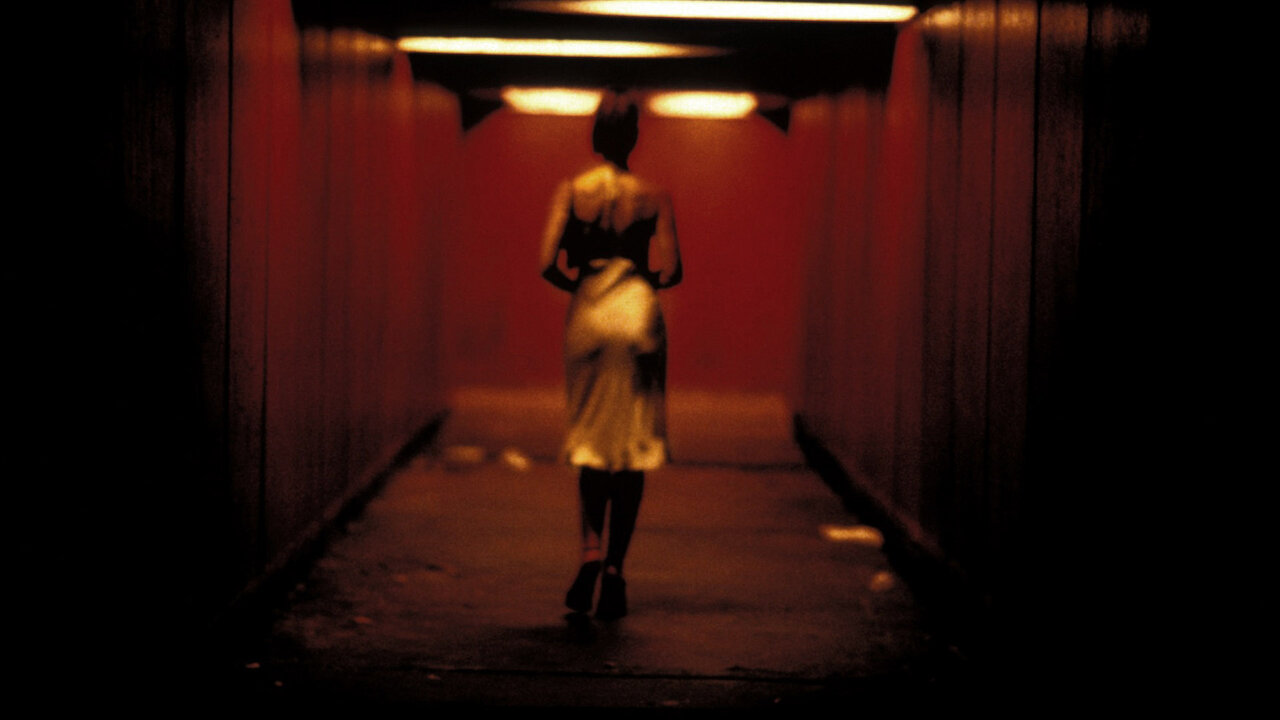
Gaspar Noé’s Irreversible is frequently cited among the most disturbing movies of all time, largely due to its structure and emotional impact rather than sheer violence. Told in reverse chronological order, the film dismantles any sense of justice or relief by revealing trauma before its cause.
As a disturbing foreign film, Irreversible forces viewers to confront how violence permanently alters lives. The reverse narrative makes hope impossible — every moment of happiness is already doomed. This structure amplifies emotional suffering, turning ordinary scenes into haunting reminders of irreversible damage.
Unlike many disturbing Hollywood movies, Irreversible refuses moral framing. The violence is neither heroic nor meaningful. It simply exists, and its consequences linger long after the event itself. The film’s unbroken, exhausting sequences trap the viewer inside moments they cannot escape.
What makes Irreversible especially disturbing is its realism and emotional weight. It confronts the audience with how fragile safety and normalcy truly are. The film’s power lies in its refusal to soften reality, making it one of the most emotionally punishing films ever created.
| Detail | Information |
|---|---|
| Director | Gaspar Noé |
| Year Released | 2002 |
| IMDB Rating | 7.3/10 |
| Budget | $4 million (approx.) |
| Location of Shooting | France |
| Making Duration | Approx. 2 months |
| Language | French |
| Country | France |
| Run Time | 97 minutes |
| Box Office Collection | $6 million (approx.) |
| Production House | StudioCanal |
| Cast | Monica Bellucci, Vincent Cassel |
5. Come and See (1985)
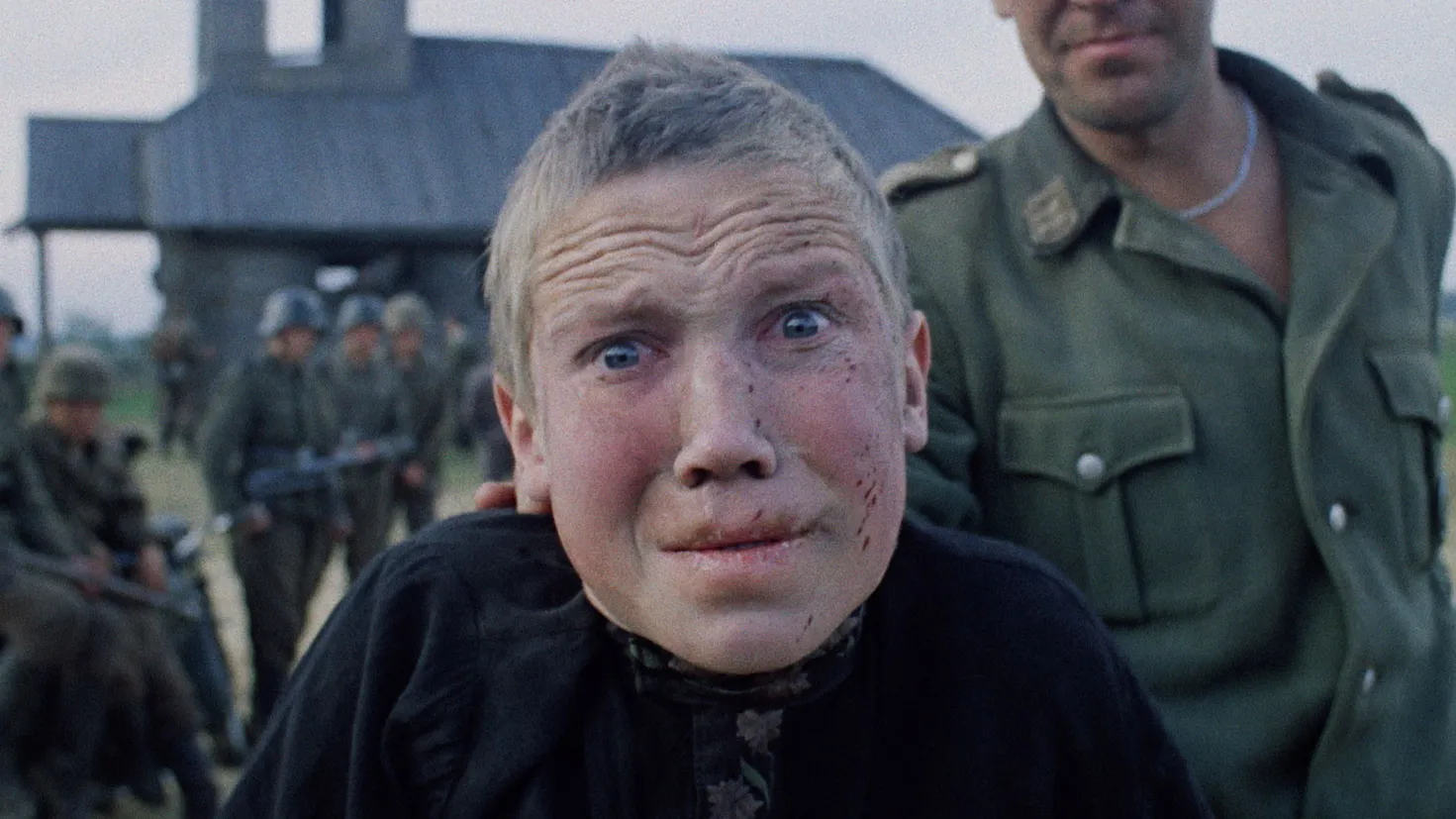
Come and See is often described as one of the most disturbing movies of all time, despite containing very little traditional horror. This disturbing foreign film presents war through the eyes of a child, stripping away heroism and exposing only fear, confusion, and psychological devastation.
Set during World War II, the film follows a young boy whose innocence erodes as he witnesses unspeakable atrocities. The horror comes not from spectacle, but from realism. Director Elem Klimov avoids dramatic music or exaggerated violence, instead allowing silence and expression to carry the weight of suffering.
Unlike disturbing Hollywood movies that rely on shock, Come and See disturbs through authenticity. The camera lingers on faces marked by terror, exhaustion, and despair. The viewer is not entertained, but forced to endure.
As an extreme foreign movie, its impact is long-lasting because it refuses emotional manipulation. There is no message of triumph or meaning. Only survival. The film leaves audiences shaken by the realization that true horror does not need exaggeration reality is enough.
| Detail | Information |
|---|---|
| Director | Elem Klimov |
| Year Released | 1985 |
| IMDB Rating | 8.4/10 |
| Budget | Not officially disclosed |
| Location of Shooting | Belarus (Soviet Union) |
| Making Duration | Approx. 6 months |
| Language | Russian |
| Country | Soviet Union |
| Run Time | 142 minutes |
| Box Office Collection | Not recorded |
| Production House | Belarusfilm |
| Cast | Aleksei Kravchenko |
6. Hereditary (2018)
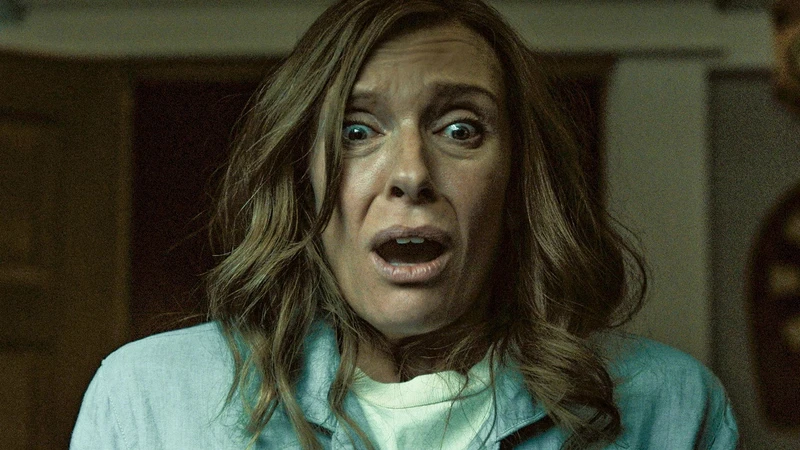
Among modern disturbing Hollywood movies, Hereditary stands out for its emotional intensity rather than excessive violence. While marketed as a horror film, it is fundamentally a story about grief, inheritance, and psychological collapse.
The film follows a family unraveling after the death of their matriarch, where trauma passes silently from one generation to the next. What makes Hereditary disturbing is its sense of inevitability. The characters are trapped in forces they do not understand, mirroring real-life experiences of inherited pain.
Unlike extreme foreign movies, Hereditary uses restraint. Disturbing moments are rare but deeply impactful, often emerging from silence and emotional breakdown rather than explicit imagery. The horror feels intimate, rooted in family dynamics rather than external threats.
Frequently mentioned among the most disturbing movies of all time in contemporary cinema, Hereditary leaves viewers unsettled not by what they see, but by what they feel. Its power lies in making trauma feel unavoidable and deeply personal.
| Detail | Information |
|---|---|
| Director | Ari Aster |
| Year Released | 2018 |
| IMDB Rating | 7.3/10 |
| Budget | $10 million |
| Location of Shooting | Utah, USA |
| Making Duration | Approx. 1–2 months |
| Language | English |
| Country | United States |
| Run Time | 127 minutes |
| Box Office Collection | $80 million+ |
| Production House | A24 |
| Cast | Toni Collette, Alex Wolff |
7. The House That Jack Built (2018)
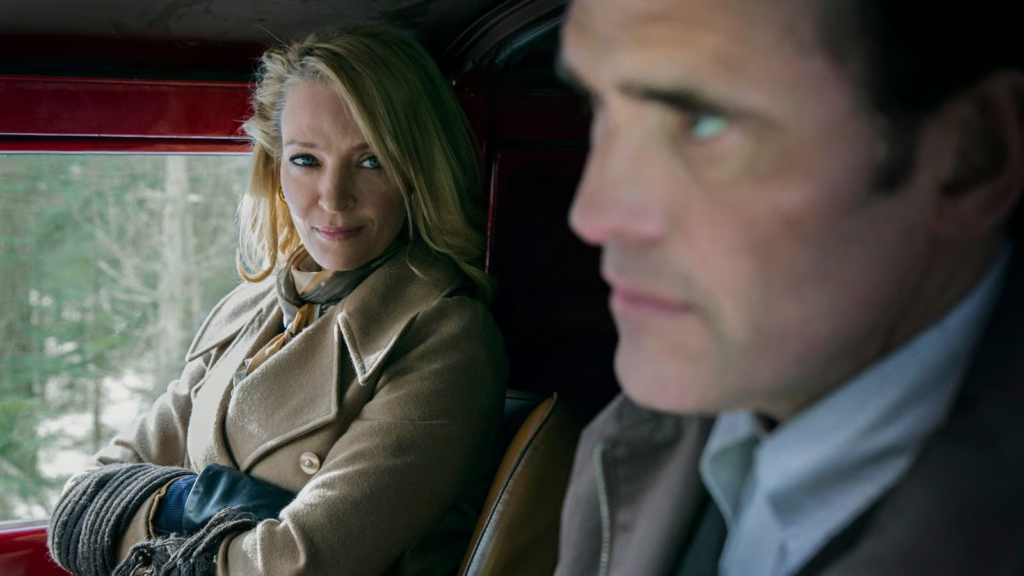
Lars von Trier’s The House That Jack Built is often labeled one of the most disturbing movies of all time due to its provocative exploration of violence, art, and narcissism. Framed as a confession, the film follows a serial killer recounting his crimes as if they were artistic achievements.
As a disturbing foreign film, it deliberately blurs the line between critique and provocation. The film challenges viewers by forcing them to listen, observe, and question their own fascination with violent storytelling. The horror lies not just in the acts themselves, but in the killer’s detached justification.
Unlike many disturbing Hollywood movies, this film is self-aware and confrontational. It asks whether presenting violence as art is itself a moral failure. The tone oscillates between dark humor and cruelty, creating discomfort through contradiction.
As an extreme foreign movie, its purpose is not to shock alone, but to implicate the audience. The result is an unsettling experience that lingers long after viewing, making it one of the most divisive films in modern disturbing cinema.
| Detail | Information |
|---|---|
| Director | Lars von Trier |
| Year Released | 2018 |
| IMDB Rating | 6.8/10 |
| Budget | $8–10 million (approx.) |
| Location of Shooting | Denmark, Germany |
| Making Duration | Approx. 3 months |
| Language | English |
| Country | Denmark |
| Run Time | 152 minutes |
| Box Office Collection | $5–6 million (approx.) |
| Production House | Zentropa |
| Cast | Matt Dillon, Uma Thurman |
8. Funny Games (1997)
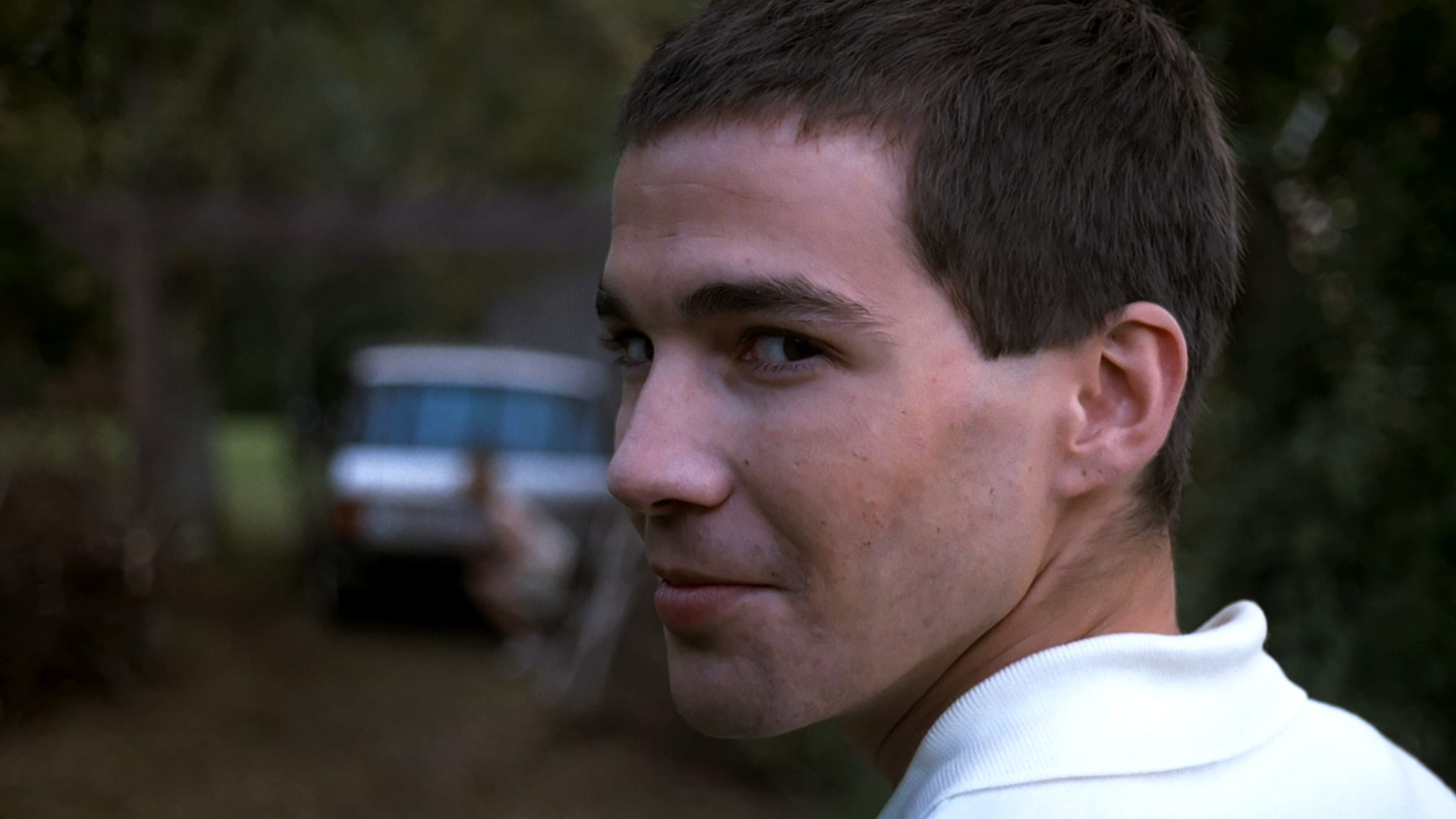
Funny Games is a masterclass in psychological disturbance, often cited among the most disturbing movies of all time despite minimal on-screen violence. This disturbing foreign film dismantles the audience’s expectations by directly confronting their desire for entertainment through suffering.
The story follows a family held hostage by two polite yet sadistic intruders. What makes the film disturbing is its emotional manipulation. The violence is stripped of excitement, music, or narrative reward. Instead, the film forces viewers to sit with helplessness and guilt.
Unlike disturbing Hollywood movies that rely on suspense or resolution, Funny Games denies catharsis entirely. The antagonists break the fourth wall, implicating the audience in the cruelty unfolding on screen.
As an extreme foreign movie, its power comes from restraint. The film is disturbing because it removes cinematic comfort and exposes the emptiness behind violent entertainment. It leaves viewers questioning not what they watched, but why they watched it.
| Detail | Information |
|---|---|
| Director | Michael Haneke |
| Year Released | 1997 |
| IMDB Rating | 7.5/10 |
| Budget | Not officially disclosed |
| Location of Shooting | Austria |
| Making Duration | Approx. 1–2 months |
| Language | German |
| Country | Austria |
| Run Time | 108 minutes |
| Box Office Collection | Limited release |
| Production House | Wega Film |
| Cast | Susanne Lothar, Ulrich Mühe |
9. A Serbian Film (2010)
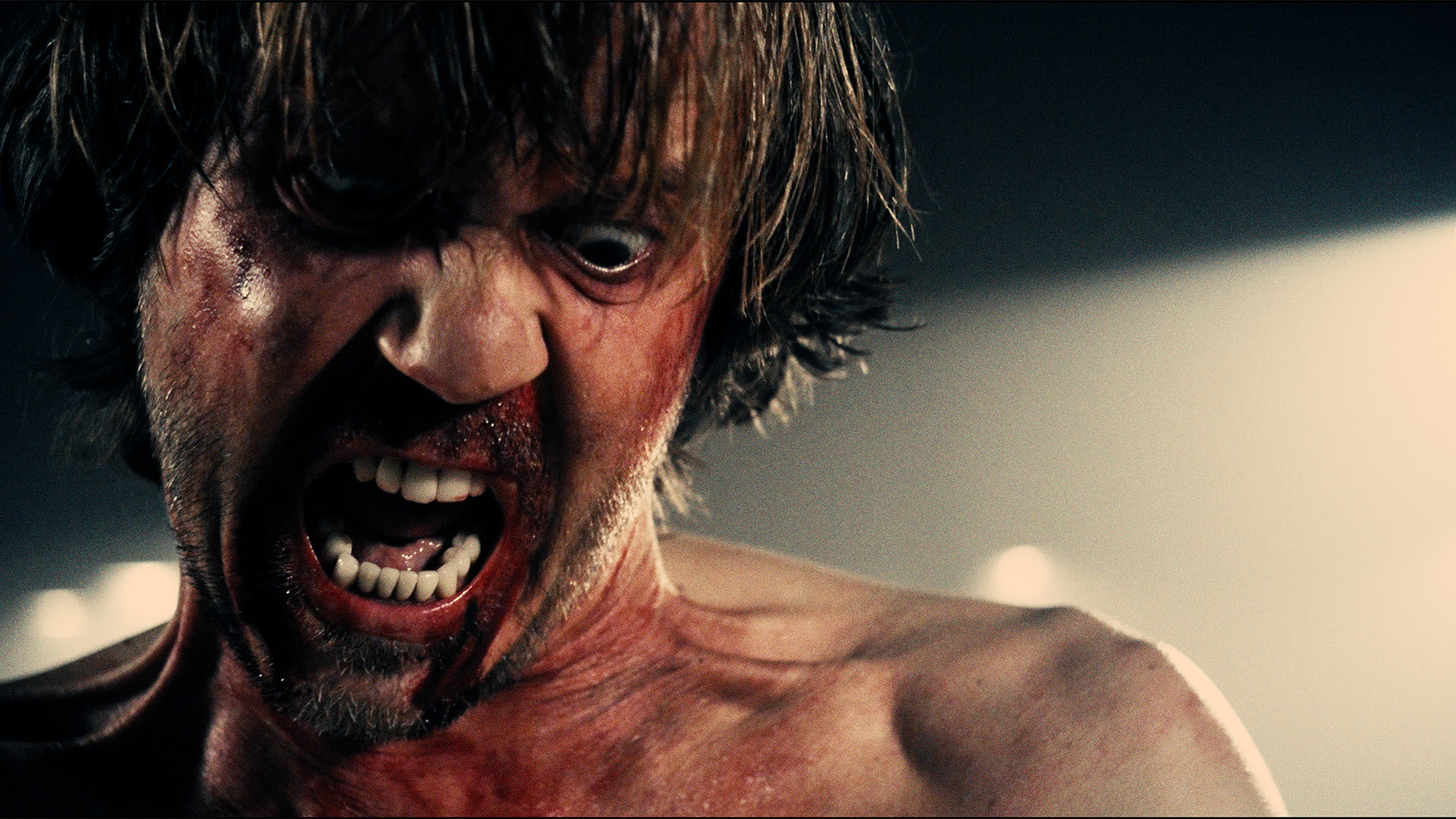
Often referenced among the most disturbing movies of all time, A Serbian Film is one of the most controversial extreme foreign movies ever produced. Its reputation stems from its explicit content and uncompromising portrayal of moral collapse.
The film follows a retired adult film actor drawn into a project that gradually reveals horrifying implications. Unlike many disturbing foreign films, this one pushes boundaries intentionally, using excess as a form of political and social provocation.
While often dismissed as shock cinema, the film’s defenders argue that its extremity reflects themes of exploitation, loss of agency, and systemic abuse. The experience is deliberately overwhelming, leaving little room for interpretation or emotional distance.
As a disturbing foreign film, it is not recommended for casual viewing. Its purpose is confrontation, not enjoyment. Whether viewed as commentary or provocation, its place among the most disturbing movies of all time is undeniable due to how far it is willing to go.
| Detail | Information |
|---|---|
| Director | Srdjan Spasojevic |
| Year Released | 2010 |
| IMDB Rating | 5.0/10 |
| Budget | Not officially disclosed |
| Location of Shooting | Serbia |
| Making Duration | Approx. 1–2 months |
| Language | Serbian |
| Country | Serbia |
| Run Time | 104 minutes |
| Box Office Collection | Very limited release |
| Production House | Contra Film |
| Cast | Sergej Trifunović, Srđan Todorović |
10. Christiane F. (1981)
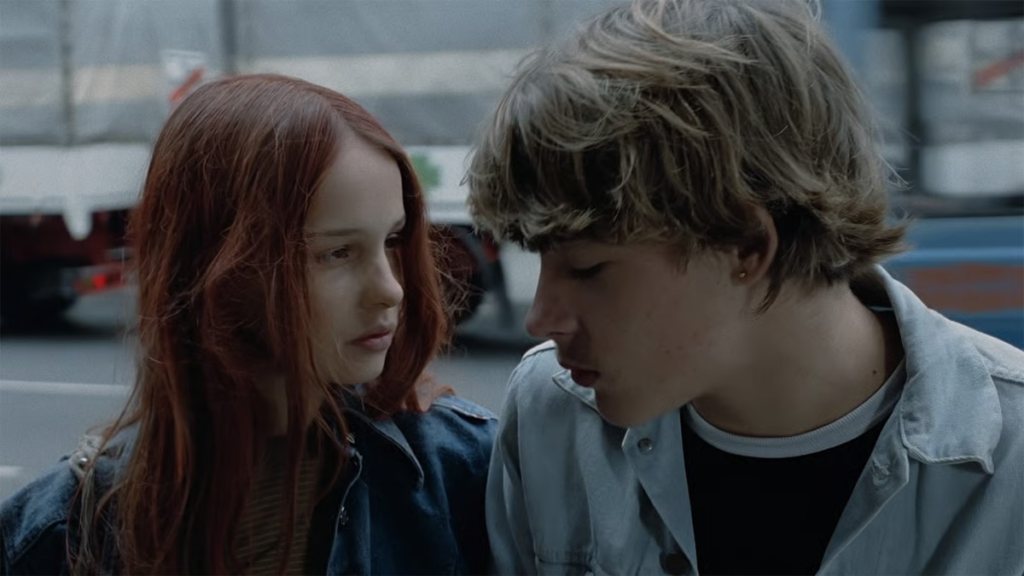
Christiane F. is a harrowing disturbing foreign film based on real events, often mentioned among the most disturbing movies of all time for its raw realism rather than graphic excess. The film follows a teenage girl’s descent into heroin addiction in 1970s Berlin.
What makes the film deeply unsettling is its authenticity. The portrayal of addiction is stripped of glamour, showing physical decay, emotional numbness, and social isolation. Unlike disturbing Hollywood movies, there is no redemption arc or dramatic transformation.
As an extreme foreign movie grounded in reality, Christiane F. disturbs because it feels painfully plausible. The suffering is quiet, repetitive, and emotionally draining. The film avoids moral judgment, allowing viewers to witness the consequences without commentary.
Its disturbing power lies in how ordinary everything feels. Addiction is not sensationalized; it is normalized, making the outcome even more devastating. The film remains a powerful reminder that real-life horror often lacks dramatic framing.
| Detail | Information |
|---|---|
| Director | Uli Edel |
| Year Released | 1981 |
| IMDB Rating | 7.5/10 |
| Budget | Not officially disclosed |
| Location of Shooting | Germany |
| Making Duration | Approx. 2 months |
| Language | German |
| Country | West Germany |
| Run Time | 138 minutes |
| Box Office Collection | Limited data |
| Production House | Solaris Film |
| Cast | Natja Brunckhorst, Thomas Haustein |
11. Lilya 4-ever (2002)
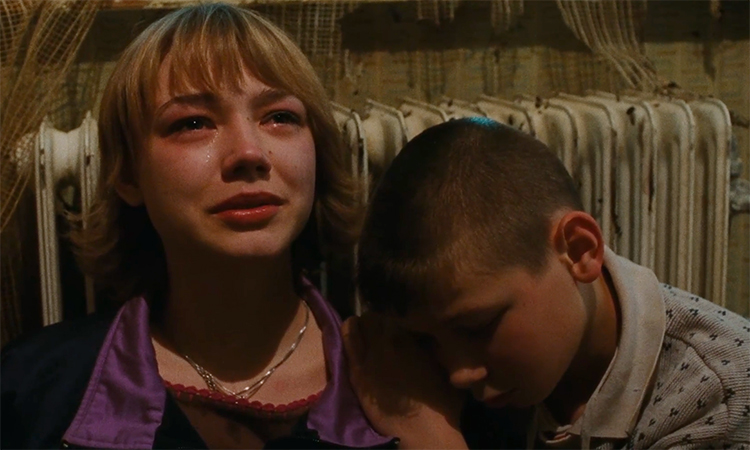
Lilya 4-ever is one of the most emotionally devastating disturbing foreign films ever made. Based on real events, it explores abandonment, poverty, and exploitation through the eyes of a young girl searching for escape.
Unlike extreme foreign movies that rely on shock, Lilya 4-ever disturbs through empathy. The film allows viewers to form a bond with its protagonist, making her gradual exploitation deeply painful to witness. There is no sensationalism, only quiet despair.
Often included among the most disturbing movies of all time, the film refuses to offer comfort or redemption. Every choice Lilya makes feels tragically understandable, which makes the outcome even more devastating.
As a contrast to disturbing Hollywood movies, Lilya 4-ever presents suffering without spectacle. Its power comes from realism and emotional honesty. The film leaves viewers unsettled not by violence, but by how easily innocence can be destroyed.
| Detail | Information |
|---|---|
| Director | Lukas Moodysson |
| Year Released | 2002 |
| IMDB Rating | 7.8/10 |
| Budget | $3–4 million (approx.) |
| Location of Shooting | Sweden, Lithuania |
| Making Duration | Approx. 2 months |
| Language | Russian, Swedish |
| Country | Sweden |
| Run Time | 109 minutes |
| Box Office Collection | Limited release |
| Production House | Memfis Film |
| Cast | Oksana Akinshina |
12. Henry: Portrait of a Serial Killer (1986)
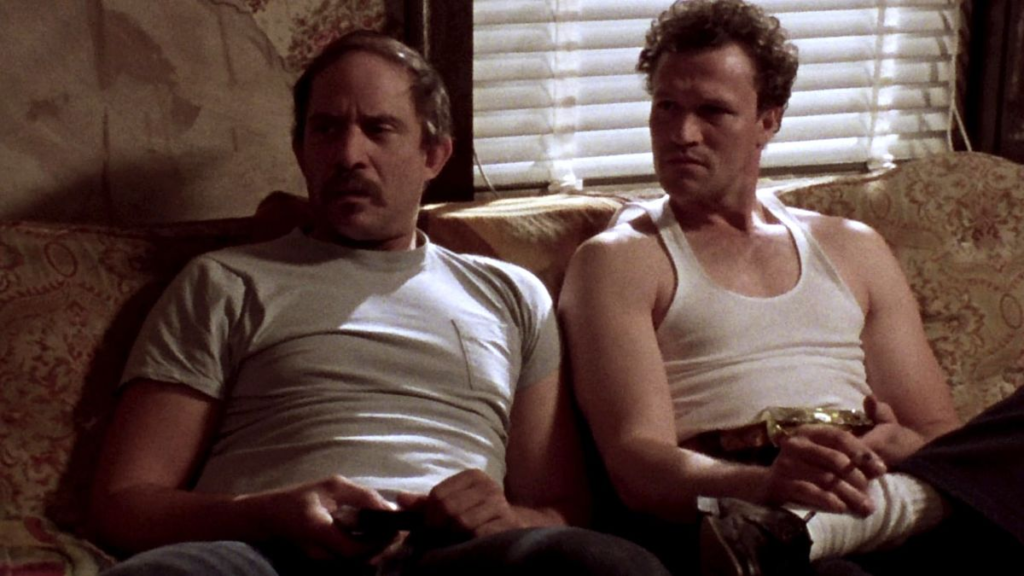
Henry: Portrait of a Serial Killer is widely regarded as one of the most disturbing movies of all time and remains a benchmark for psychological realism in crime cinema. Directed by John McNaughton, this disturbing Hollywood movie chronicles the daily life of Henry, a quiet and seemingly ordinary man who methodically murders strangers. Unlike sensationalized slasher films, Henry refuses narrative embellishment or dramatic justice, making the violence feel chillingly real.
The film’s horror lies in its restraint. McNaughton avoids musical cues or stylized camera work, creating an unsettling sense of normalcy around Henry’s actions. Viewers are confronted with the banality of evil, emphasizing emotional detachment rather than shock. This approach makes it one of the most impactful extreme foreign movies in terms of psychological tension and moral discomfort.
As a disturbing foreign film in the broader horror canon, Henry forces audiences to reflect on human cruelty and the randomness of violence. Its legacy continues to influence modern crime and horror cinema, proving that the most unsettling movies do not rely on gore alone, but on their capacity to make viewers complicit in witnessing unflinching human evil.
| Detail | Information |
|---|---|
| Director | John McNaughton |
| Year Released | 1986 |
| IMDB Rating | 7.0/10 |
| Budget | $100,000 (approx.) |
| Location of Shooting | USA (Chicago) |
| Making Duration | Approx. 1 month |
| Language | English |
| Country | United States |
| Run Time | 83 minutes |
| Box Office Collection | $6 million+ (cult success) |
| Production House | Maljack Productions |
| Cast | Michael Rooker, Tracy Arnold |