The Most Disturbing Movies Ever Made That Will Spoil You

What Makes a Movie Truly Disturbing?

Not all disturbing films rely on graphic violence. Many of the most unsettling movies create discomfort through psychological suffering and emotional trauma rather than explicit imagery. These films immerse viewers in prolonged fear, grief, guilt, or mental collapse, allowing distress to build gradually instead of shocking the audience with sudden moments of brutality. While graphic violence can be visually intense, it often fades quickly. Psychological and emotional suffering, however, lingers because it forces the viewer to experience pain from inside the character’s perspective.

What makes some films truly disturbing is the presence of meaningless suffering pain that offers no lesson, relief, or moral resolution. In such stories, characters endure trauma without redemption or explanation, challenging the comforting belief that suffering must lead to growth or justice. This absence of meaning denies closure and leaves the audience unsettled long after the film ends. Rather than shocking through violence alone, these films disturb by confronting viewers with the possibility that pain can exist without purpose, making the experience deeply uncomfortable and difficult to forget.

Most Disturbing Movies Ever Made (Curated & Explained)

Martyrs (2008)
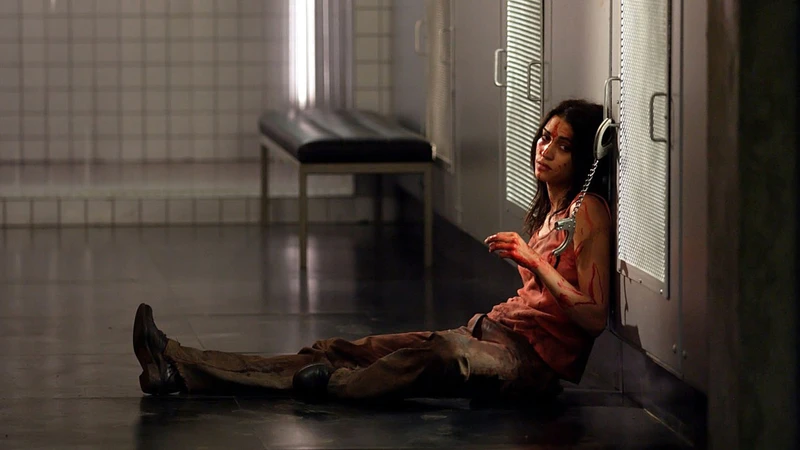
Often cited among the most disturbing movies of all time, Martyrs stands as one of the most uncompromising disturbing foreign films ever made. Directed by Pascal Laugier, the film begins like a revenge thriller but slowly reveals a far more philosophical and unsettling core. The story follows two young women bound by childhood trauma, leading into a hidden world where suffering is methodically inflicted in the pursuit of transcendence.

What separates Martyrs from typical extreme cinema is its intent. The violence is not sensationalized; it is cold, procedural, and emotionally draining. The film forces viewers to confront suffering without catharsis, meaning, or moral reassurance. Rather than shocking for entertainment, it challenges the belief that pain must serve a higher purpose.

As one of the most extreme foreign movies ever released, Martyrs is difficult to endure and even harder to forget. Its legacy lies not in graphic content alone, but in its refusal to comfort the audience. The film ends with ambiguity, leaving viewers unsettled by questions rather than answers , a defining trait of truly disturbing cinema.

Antichrist (2009)
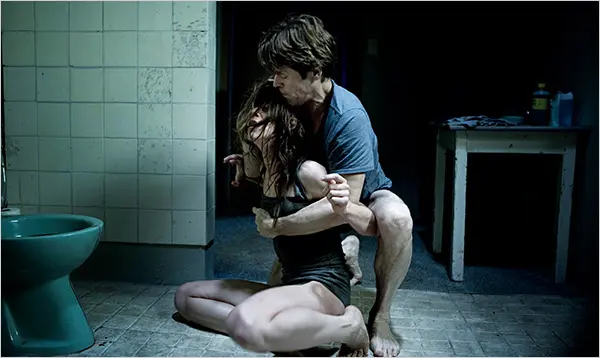
Lars von Trier’s Antichrist is often listed among the most disturbing movies of all time, not because of plot complexity, but due to its raw emotional and symbolic intensity. Unlike many disturbing Hollywood movies, Antichrist operates more like a psychological descent than a conventional narrative. It explores grief, guilt, sexuality, and nature through a deeply unsettling lens.

The film follows a couple retreating into isolation after the death of their child, where grief mutates into paranoia, violence, and psychological collapse. Von Trier uses disturbing imagery not for shock alone, but as expressions of internal torment. The forest setting becomes oppressive, mirroring the characters’ mental disintegration.

As a disturbing foreign film, Antichrist is unapologetically confrontational. It offers no moral guidance or emotional relief. Viewers are forced to sit with discomfort, ambiguity, and unresolved pain. The film’s reputation comes from how intimately it portrays suffering, making the experience deeply personal and often unbearable.

Rather than relying on external horror, Antichrist disturbs by exposing the darkest corners of the human psyche.

Salò, or the 120 Days of Sodom
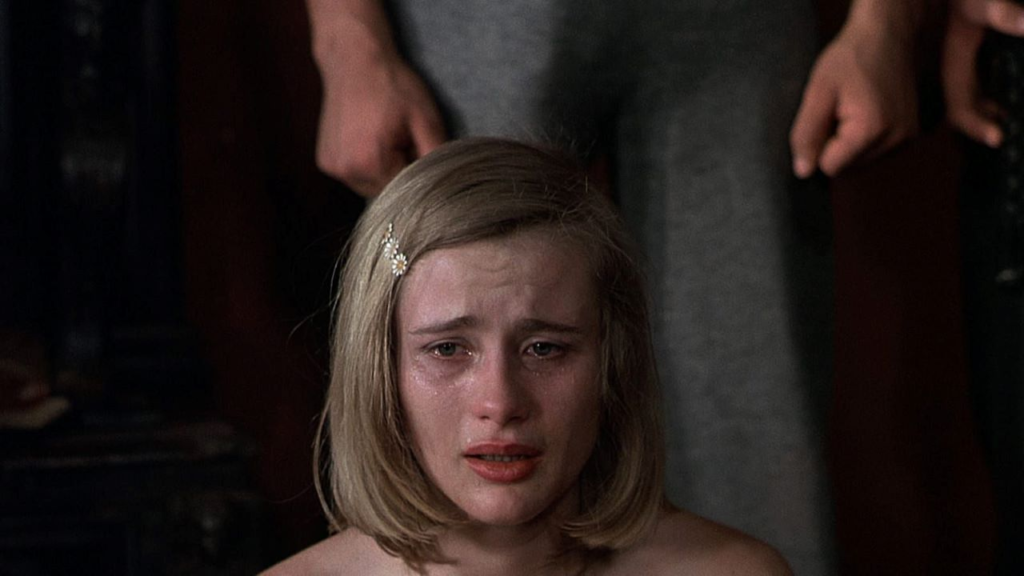
Pier Paolo Pasolini’s Salò is widely regarded as one of the most disturbing movies of all time due to its unflinching portrayal of power, cruelty, and dehumanization. Set during fascist Italy, the film depicts a group of elites systematically abusing and humiliating young captives under the guise of absolute authority.

As one of the earliest extreme foreign movies, Salò is not meant to entertain. Its purpose is political and philosophical. The film strips away any sense of humanity, showing how ideology and unchecked power can reduce people to objects. The suffering is deliberate, repetitive, and emotionally exhausting.

What makes Salò particularly disturbing is its emotional detachment. There is no suspense, no escape, and no redemption. The atrocities unfold with bureaucratic precision, emphasizing the banality of evil rather than emotional chaos.

Often discussed among the most disturbing foreign films ever made, Salò remains controversial decades later because it refuses interpretation as simple shock cinema. It is a bleak, uncompromising examination of cruelty rooted in control, making it one of the hardest films to watch — and harder to forget.

Irreversible (2002)
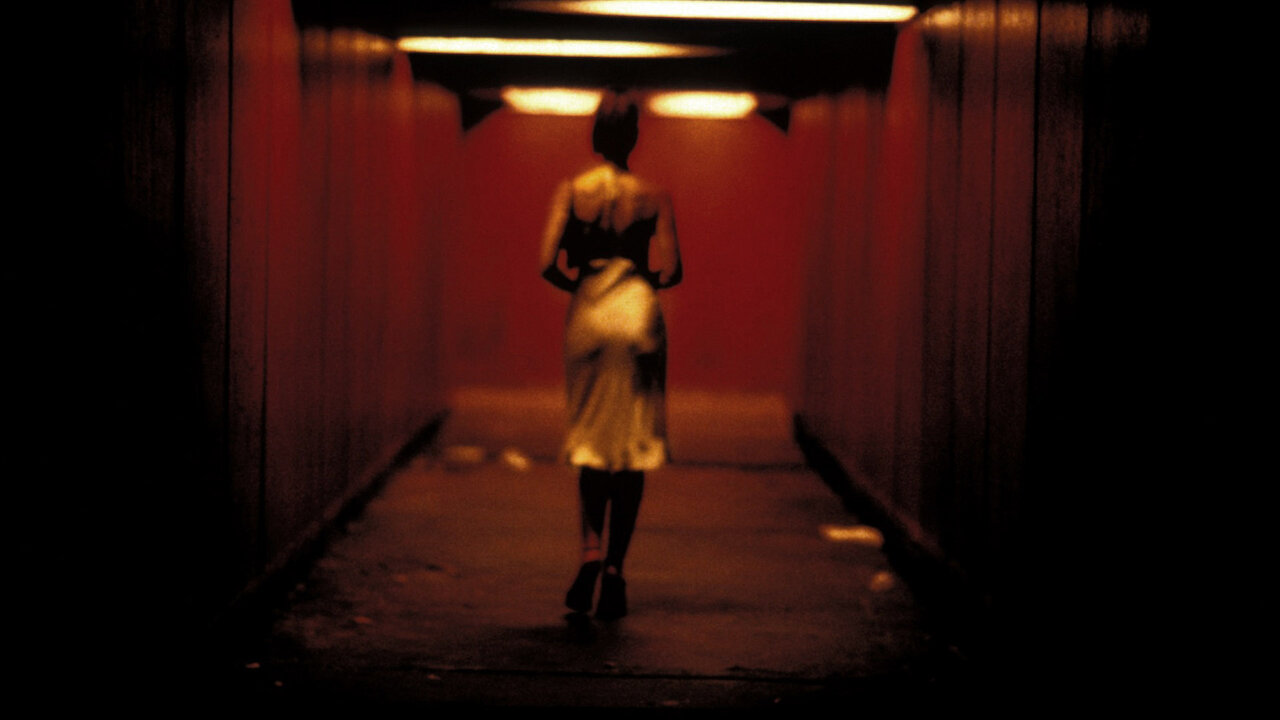
Gaspar Noé’s Irreversible is frequently cited among the most disturbing movies of all time, largely due to its structure and emotional impact rather than sheer violence. Told in reverse chronological order, the film dismantles any sense of justice or relief by revealing trauma before its cause.

As a disturbing foreign film, Irreversible forces viewers to confront how violence permanently alters lives. The reverse narrative makes hope impossible — every moment of happiness is already doomed. This structure amplifies emotional suffering, turning ordinary scenes into haunting reminders of irreversible damage.

Unlike many disturbing Hollywood movies, Irreversible refuses moral framing. The violence is neither heroic nor meaningful. It simply exists, and its consequences linger long after the event itself. The film’s unbroken, exhausting sequences trap the viewer inside moments they cannot escape.

What makes Irreversible especially disturbing is its realism and emotional weight. It confronts the audience with how fragile safety and normalcy truly are. The film’s power lies in its refusal to soften reality, making it one of the most emotionally punishing films ever created.

Come and See (1985)
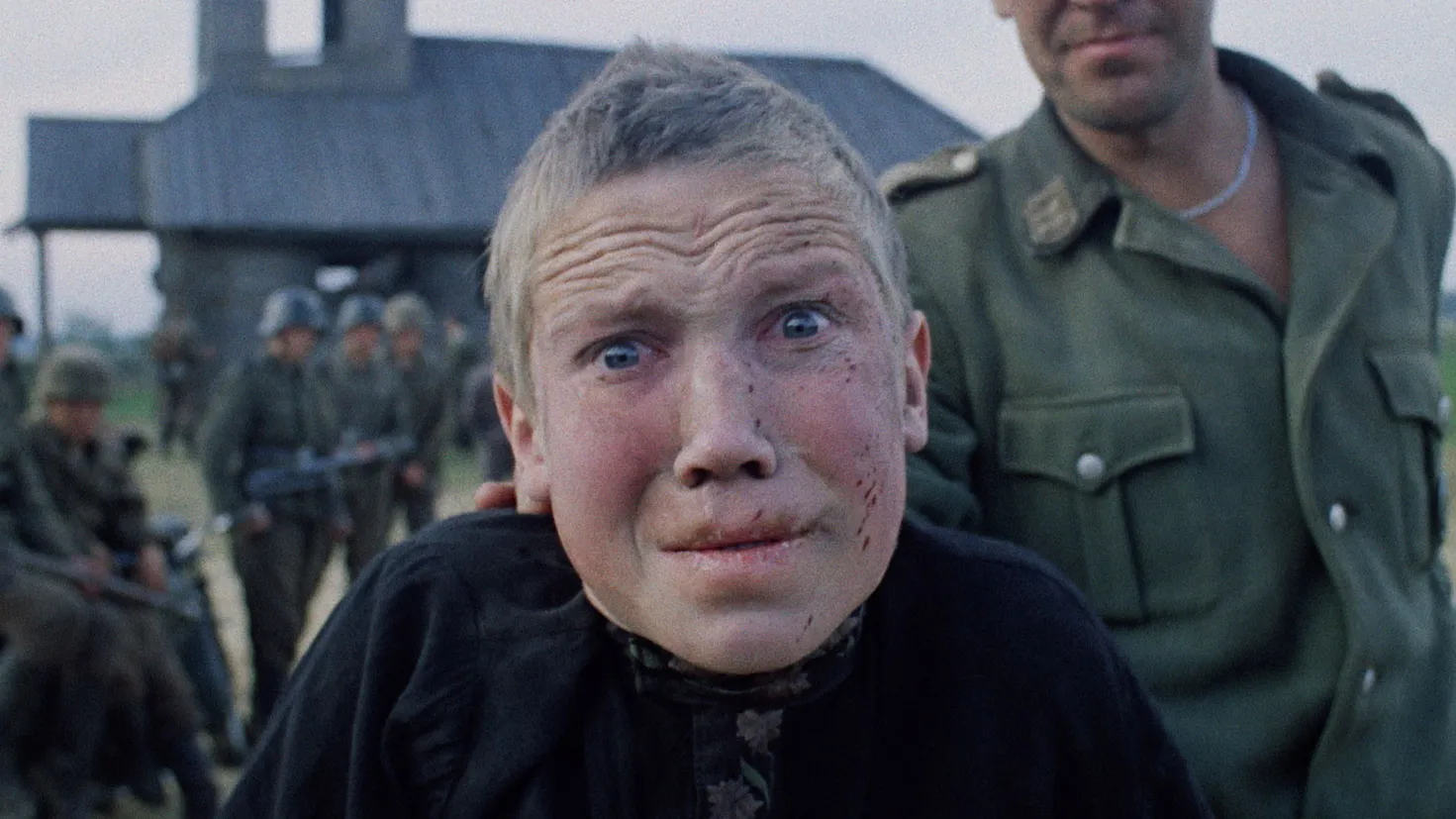
Come and See is often described as one of the most disturbing movies of all time, despite containing very little traditional horror. This disturbing foreign film presents war through the eyes of a child, stripping away heroism and exposing only fear, confusion, and psychological devastation.

Set during World War II, the film follows a young boy whose innocence erodes as he witnesses unspeakable atrocities. The horror comes not from spectacle, but from realism. Director Elem Klimov avoids dramatic music or exaggerated violence, instead allowing silence and expression to carry the weight of suffering.

Unlike disturbing Hollywood movies that rely on shock, Come and See disturbs through authenticity. The camera lingers on faces marked by terror, exhaustion, and despair. The viewer is not entertained, but forced to endure.

As an extreme foreign movie, its impact is long-lasting because it refuses emotional manipulation. There is no message of triumph or meaning. Only survival. The film leaves audiences shaken by the realization that true horror does not need exaggeration reality is enough.

Hereditary (2018)
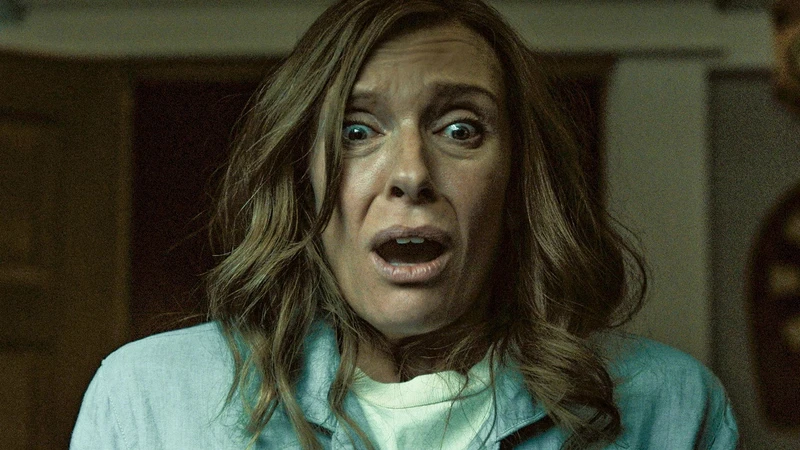
Among modern disturbing Hollywood movies, Hereditary stands out for its emotional intensity rather than excessive violence. While marketed as a horror film, it is fundamentally a story about grief, inheritance, and psychological collapse.

The film follows a family unraveling after the death of their matriarch, where trauma passes silently from one generation to the next. What makes Hereditary disturbing is its sense of inevitability. The characters are trapped in forces they do not understand, mirroring real-life experiences of inherited pain.

Unlike extreme foreign movies, Hereditary uses restraint. Disturbing moments are rare but deeply impactful, often emerging from silence and emotional breakdown rather than explicit imagery. The horror feels intimate, rooted in family dynamics rather than external threats.

Frequently mentioned among the most disturbing movies of all time in contemporary cinema, Hereditary leaves viewers unsettled not by what they see, but by what they feel. Its power lies in making trauma feel unavoidable and deeply personal.

The House That Jack Built (2018)
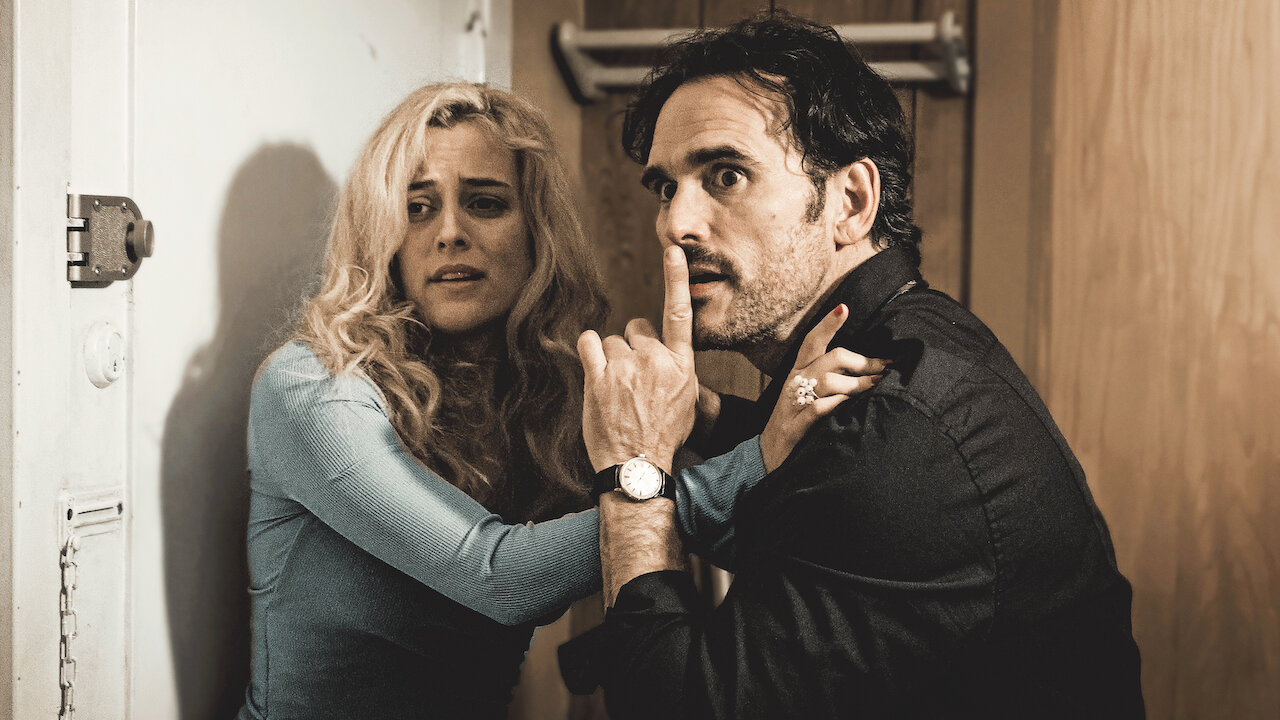
Lars von Trier’s The House That Jack Built is often labeled one of the most disturbing movies of all time due to its provocative exploration of violence, art, and narcissism. Framed as a confession, the film follows a serial killer recounting his crimes as if they were artistic achievements.

As a disturbing foreign film, it deliberately blurs the line between critique and provocation. The film challenges viewers by forcing them to listen, observe, and question their own fascination with violent storytelling. The horror lies not just in the acts themselves, but in the killer’s detached justification.

Unlike many disturbing Hollywood movies, this film is self-aware and confrontational. It asks whether presenting violence as art is itself a moral failure. The tone oscillates between dark humor and cruelty, creating discomfort through contradiction.

As an extreme foreign movie, its purpose is not to shock alone, but to implicate the audience. The result is an unsettling experience that lingers long after viewing, making it one of the most divisive films in modern disturbing cinema.

Funny Games (1997)
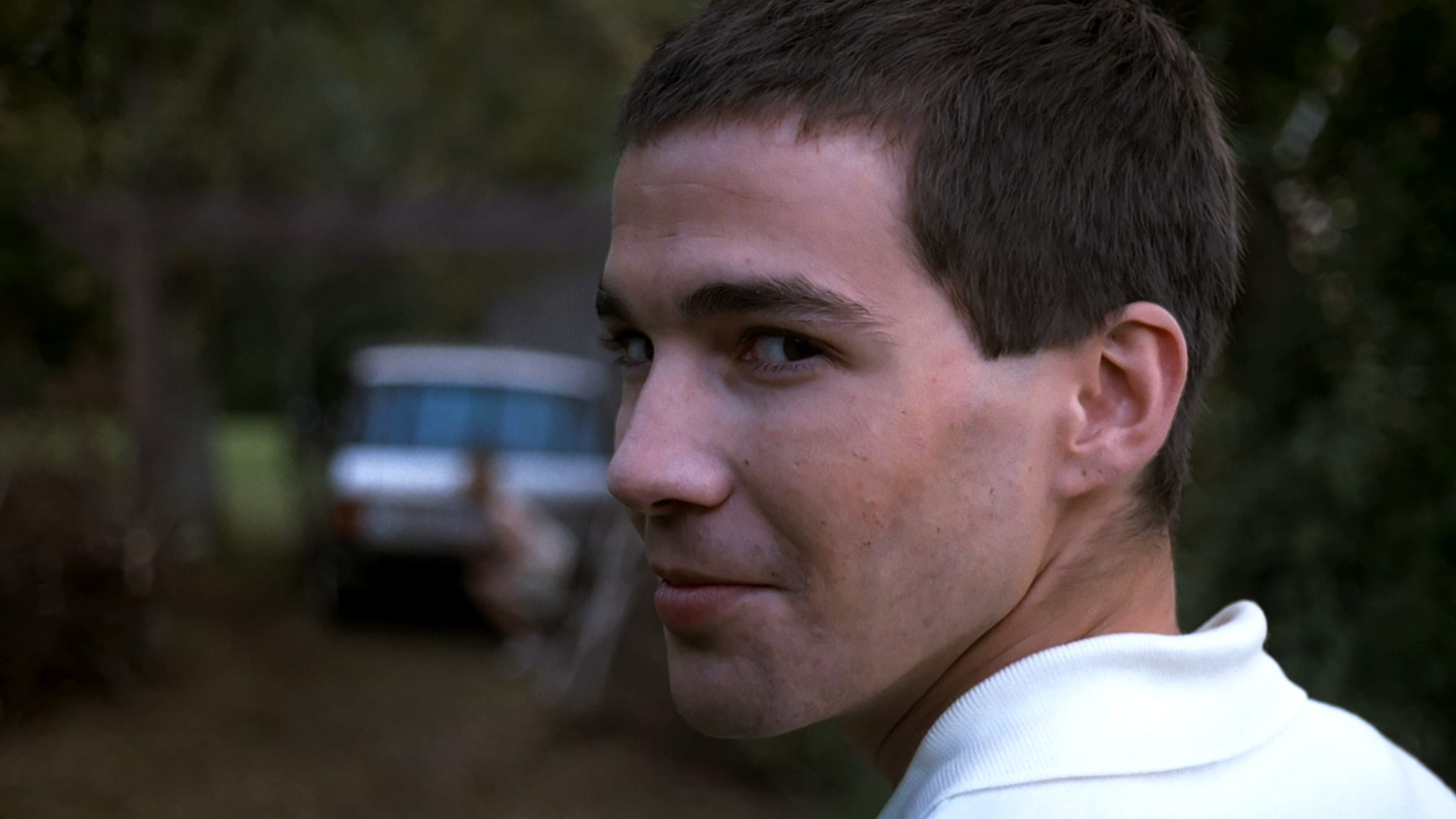
Funny Games is a masterclass in psychological disturbance, often cited among the most disturbing movies of all time despite minimal on-screen violence. This disturbing foreign film dismantles the audience’s expectations by directly confronting their desire for entertainment through suffering.

The story follows a family held hostage by two polite yet sadistic intruders. What makes the film disturbing is its emotional manipulation. The violence is stripped of excitement, music, or narrative reward. Instead, the film forces viewers to sit with helplessness and guilt.

Unlike disturbing Hollywood movies that rely on suspense or resolution, Funny Games denies catharsis entirely. The antagonists break the fourth wall, implicating the audience in the cruelty unfolding on screen.

As an extreme foreign movie, its power comes from restraint. The film is disturbing because it removes cinematic comfort and exposes the emptiness behind violent entertainment. It leaves viewers questioning not what they watched, but why they watched it.

A Serbian Film (2010)
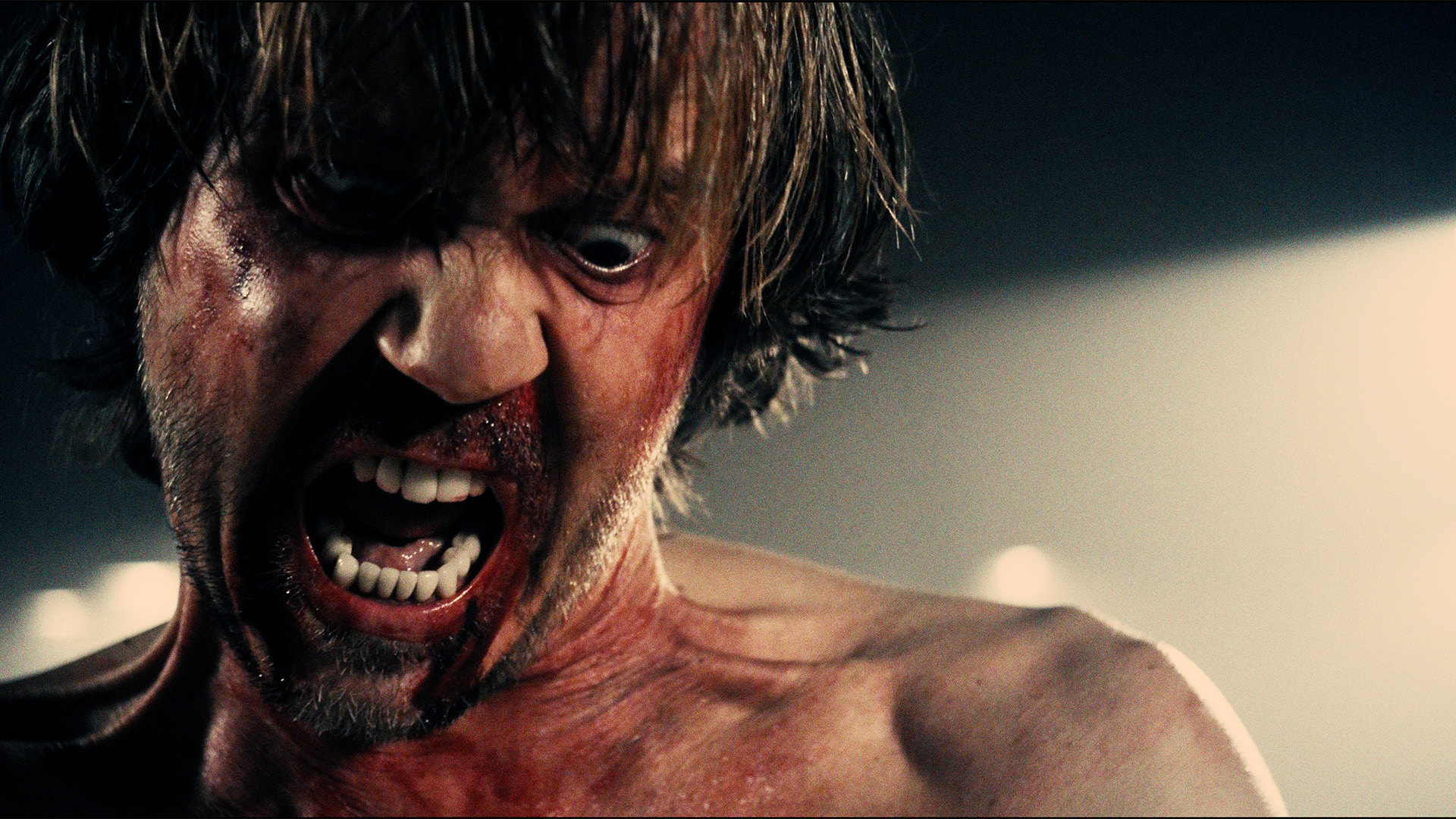
Often referenced among the most disturbing movies of all time, A Serbian Film is one of the most controversial extreme foreign movies ever produced. Its reputation stems from its explicit content and uncompromising portrayal of moral collapse.

The film follows a retired adult film actor drawn into a project that gradually reveals horrifying implications. Unlike many disturbing foreign films, this one pushes boundaries intentionally, using excess as a form of political and social provocation.

While often dismissed as shock cinema, the film’s defenders argue that its extremity reflects themes of exploitation, loss of agency, and systemic abuse. The experience is deliberately overwhelming, leaving little room for interpretation or emotional distance.

As a disturbing foreign film, it is not recommended for casual viewing. Its purpose is confrontation, not enjoyment. Whether viewed as commentary or provocation, its place among the most disturbing movies of all time is undeniable due to how far it is willing to go.

Christiane F. (1981)

Christiane F. is a harrowing disturbing foreign film based on real events, often mentioned among the most disturbing movies of all time for its raw realism rather than graphic excess. The film follows a teenage girl’s descent into heroin addiction in 1970s Berlin.

What makes the film deeply unsettling is its authenticity. The portrayal of addiction is stripped of glamour, showing physical decay, emotional numbness, and social isolation. Unlike disturbing Hollywood movies, there is no redemption arc or dramatic transformation.

As an extreme foreign movie grounded in reality, Christiane F. disturbs because it feels painfully plausible. The suffering is quiet, repetitive, and emotionally draining. The film avoids moral judgment, allowing viewers to witness the consequences without commentary.

Its disturbing power lies in how ordinary everything feels. Addiction is not sensationalized; it is normalized, making the outcome even more devastating. The film remains a powerful reminder that real-life horror often lacks dramatic framing.

Lilya 4-ever (2002)
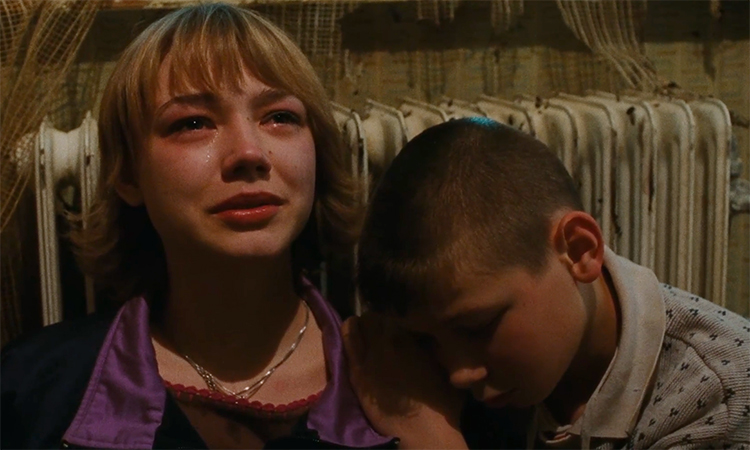
Lilya 4-ever is one of the most emotionally devastating disturbing foreign films ever made. Based on real events, it explores abandonment, poverty, and exploitation through the eyes of a young girl searching for escape.

Unlike extreme foreign movies that rely on shock, Lilya 4-ever disturbs through empathy. The film allows viewers to form a bond with its protagonist, making her gradual exploitation deeply painful to witness. There is no sensationalism, only quiet despair.

Often included among the most disturbing movies of all time, the film refuses to offer comfort or redemption. Every choice Lilya makes feels tragically understandable, which makes the outcome even more devastating.

As a contrast to disturbing Hollywood movies, Lilya 4-ever presents suffering without spectacle. Its power comes from realism and emotional honesty. The film leaves viewers unsettled not by violence, but by how easily innocence can be destroyed.

Henry: Portrait of a Serial Killer (1986)
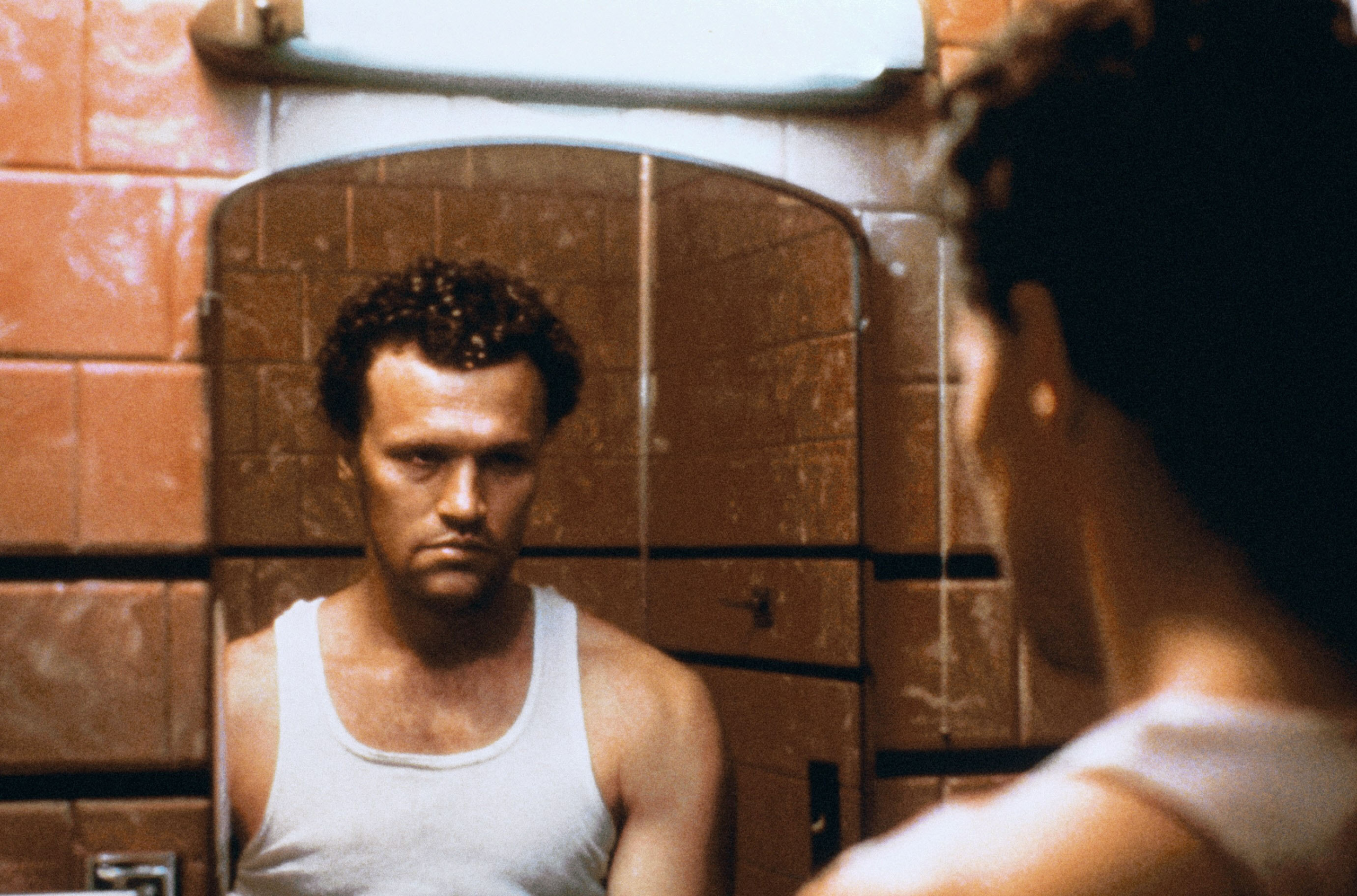
Henry: Portrait of a Serial Killer is widely regarded as one of the most disturbing movies of all time and remains a benchmark for psychological realism in crime cinema. Directed by John McNaughton, this disturbing Hollywood movie chronicles the daily life of Henry, a quiet and seemingly ordinary man who methodically murders strangers. Unlike sensationalized slasher films, Henry refuses narrative embellishment or dramatic justice, making the violence feel chillingly real.

The film’s horror lies in its restraint. McNaughton avoids musical cues or stylized camera work, creating an unsettling sense of normalcy around Henry’s actions. Viewers are confronted with the banality of evil, emphasizing emotional detachment rather than shock. This approach makes it one of the most impactful extreme foreign movies in terms of psychological tension and moral discomfort.

As a disturbing foreign film in the broader horror canon, Henry forces audiences to reflect on human cruelty and the randomness of violence. Its legacy continues to influence modern crime and horror cinema, proving that the most unsettling movies do not rely on gore alone, but on their capacity to make viewers complicit in witnessing unflinching human evil.

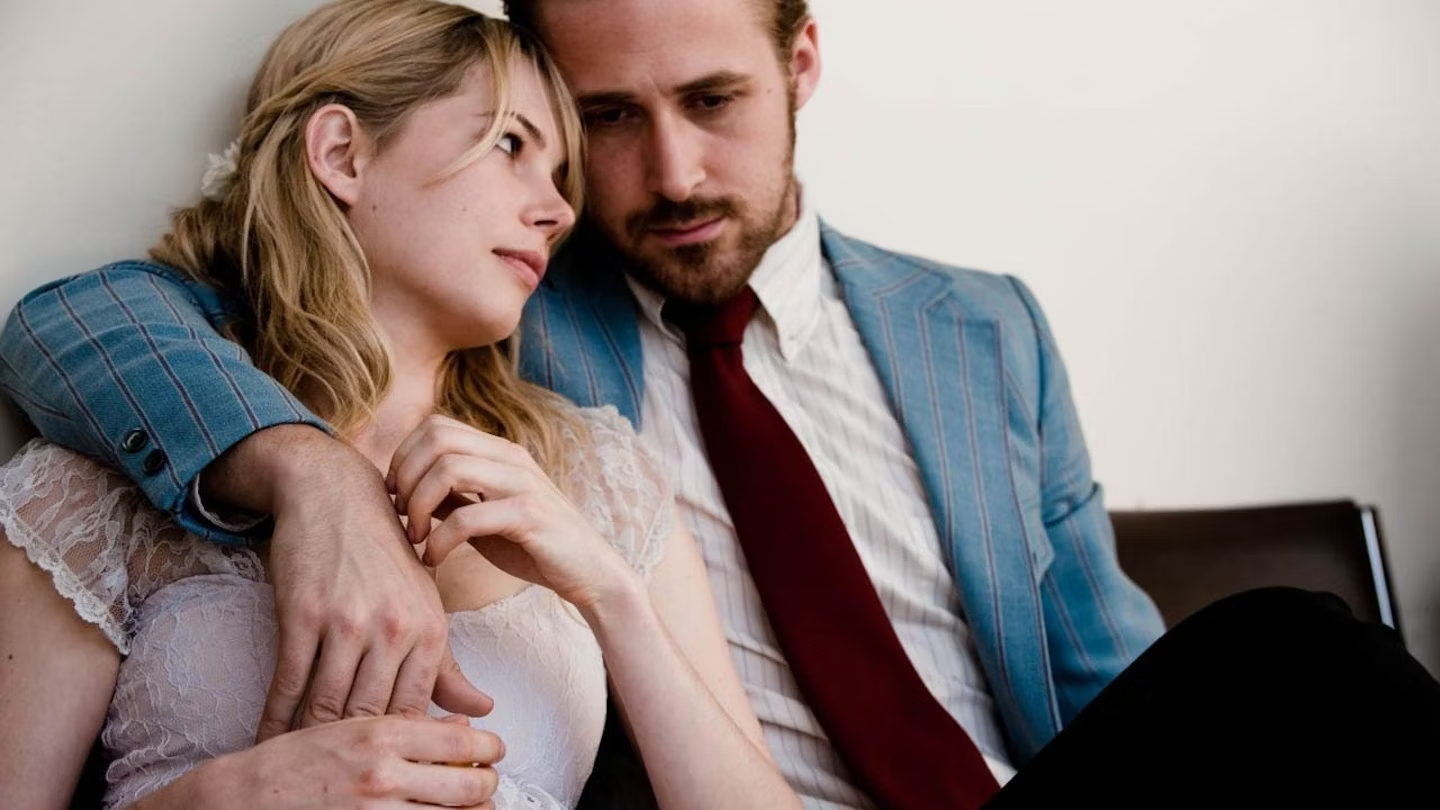
Blue Valentine: A Heartbreaking Portrait of Love, Loss, and Reality

Some films don’t just tell a story. They linger, they hurt, and they echo long after the credits roll. Blue Valentine is one such film. It’s not a fairytale, and it doesn’t pretend to be. This is a film that cuts close to the bone, showing love not as we wish it were, but as it often is: messy, tender, destructive, and painfully real.

If you’re searching for a movie that’s raw, emotionally loaded, and unforgettable, Blue Valentine 2010 should be high on your watchlist.

What Is Blue Valentine About?

At its core, Blue Valentine is a love story told in reverse. The film weaves between two timelines. One where Dean and Cindy fall in love and another where they are falling apart. The brilliance of the storytelling lies in how it switches from joyful flashbacks to the grim reality of their present-day marriage. This creates an emotional whiplash that makes the viewer feel the gradual disintegration of a once-passionate bond.

While many romantic films show the honeymoon phase, Blue Valentine film does something bolder. It dares to ask what happens after the “happily ever after.”

Blue Valentine Cast and Performances

Let’s talk about the Blue Valentine cast, because without them, this film wouldn’t be what it is.

  • Ryan Gosling stars as Dean, a kind-hearted, aimless man who clings to love as the one thing he can control.
  • Michelle Williams plays Cindy, a woman who once believed in romantic ideals but now feels trapped and frustrated by the reality of their relationship.

The chemistry between these two Blue Valentine actors is magnetic and gut-wrenching. Both gave emotionally charged performances that earned critical acclaim and multiple award nominations. In fact, Michelle Williams received an Academy Award nomination for Best Actress for her role in this film.

Their portrayal of intimacy, tension, and raw emotion feels so real that at times, it’s hard to remember you’re watching a film. It’s no wonder people still search for clips and scenes like the infamous Blue Valentine sex scene, not just for its sensuality but for the vulnerability it exposes.

Filming Style and Direction

Directed by Derek Cianfrance, Blue Valentine movie stands out for its almost documentary-like feel. The film was shot using handheld cameras, natural lighting, and improvisation to create an unfiltered experience. There was no glossy Hollywood sheen, just raw, unedited life.

Interestingly, Cianfrance had the actors live together in a house for a month before filming their “present-day” scenes. He wanted them to genuinely experience what it felt like to live in a worn-out relationship. That realism shows in every argument, every silence, every tired glance they exchange.

Where Was Blue Valentine Filmed?

The movie was shot in New York City and Pennsylvania, with many scenes taking place in run-down motels, backyards, and diners. These settings match the gritty, working-class world of its characters. There’s no glamor here, only a stark visual landscape that echoes the emotional tone of the story.

A Closer Look at Themes and Emotional Impact

Unlike typical romance films, Blue Valentine 2010 refuses to pick a side. It doesn’t villainize either character. Both Dean and Cindy are flawed, loving, and hurt in their own ways. Their relationship isn’t toxic in a dramatic, cinematic sense. It’s just tired. It’s what happens when two people grow in opposite directions and don’t know how to fix it.

The film explores:

  • Love vs. Compatibility
    Sometimes love isn’t enough if you’re not growing together.
  • Unspoken Resentment
    The weight of what’s not said often becomes heavier than what is.
  • Parenthood and Pressure
    Cindy feels emotionally drained not only from the relationship but from carrying the responsibility of being a mother and career woman.

This is why many people still search watch Blue Valentine because it resonates. It’s not about how love begins. It’s about how it unravels.

Blue Valentine’s Controversy and Realness

Blue Valentine was originally slapped with an NC-17 rating due to its emotional, intimate sex scenes. One scene in particular that takes place in a hotel room sparked a lot of discussion online. The Blue Valentine sex scene isn’t graphic in a traditional sense, but it’s raw and emotionally loaded. It’s not there for shock. It’s there to show how intimacy becomes a battlefield in a dying relationship.

Thanks to a successful appeal, the film was eventually re-rated to R but the controversy made more people curious to watch Blue Valentine and understand what the fuss was about.

Why Blue Valentine Is Still Loved Today

Despite being released in 2010, the film continues to strike a chord with viewers. It’s not your typical popcorn romance. It’s heavy. It’s intimate. It’s painfully honest.

Here’s why it stands out:

  • No filters, no fairytales. Just the kind of love story that feels lived-in and uncomfortably familiar.
  • Incredible performances from a Blue Valentine cast that fully committed to their roles.
  • Timeless themes that reflect real-life struggles. Falling in love is easy. Staying in love is the hard part.

Whether you’re watching it for the first time or revisiting it years later, this pelicula Blue Valentine is guaranteed to leave an impression.

Where to Watch Blue Valentine

If you’re wondering where to watch Blue Valentine, it’s available on platforms like Amazon Prime Video, Apple TV, and other digital streaming services. You can also look for film Blue Valentine 2010 or Blue Valentine movie on DVD or Blu-ray for an uncompressed viewing experience.

Final Thoughts

Blue Valentine isn’t a movie you just watch. It’s a movie you feel. It breaks you down slowly, scene by scene, until you find yourself quietly devastated. But it also makes you appreciate the highs of love, the brief moments of laughter, and the value of human connection even if it doesn’t last forever.

So, if you’re emotionally ready and in the mood for something real, Blue Valentine is waiting.

Because sometimes, the most beautiful love stories are the ones that don’t have happy endings.

Hachiko – A Dog’s Tale That Redefined Loyalty and Left Millions in Tears

Hachiko- A dogs Tale

If you’re looking for a film that will stir your soul and leave a lasting impression, Hachiko: A Dog’s Tale is a cinematic gem you can’t ignore. Often described as one of the most emotional dog movies ever made, Hachi: A Dog’s Tale is not just a movie—it’s a true story that beautifully portrays the unbreakable bond between a dog and his human.

Whether you’re searching for Hachiko full movie, curious about the Hachiko dog statue, or want to know more about the real Hachiko dog Shibuya, this story will take you on an unforgettable emotional journey.


Based on a True Story That Touched the World

The Hachiko movie is inspired by the true story of an Akita dog named Hachikō, born in Japan in 1923. Hachikō’s life gained legendary status after he waited every single day at Shibuya Station for over nine years, hoping his owner would return—despite his owner passing away suddenly at work. This real-life act of loyalty captivated the hearts of not just the Japanese people but also the entire world.

The story was originally adapted into a Japanese film, Hachikō Monogatari, in 1987. The English adaptation, Hachi: A Dog’s Tale, released in 2009, retells this timeless story in a Western setting while preserving the emotional depth and values of the original.


Hachiko Movie Cast, Budget, and Filming Locations

Cast
The film stars the ever-charismatic Richard Gere as Professor Parker Wilson, the man who finds Hachi as a stray puppy and brings him home. Joan Allen plays Cate Wilson, Parker’s wife, and Cary-Hiroyuki Tagawa plays Ken, Parker’s Japanese colleague who gives cultural insight into Hachiko’s breed. The younger version of Hachi was portrayed by Chico, an Akita Inu trained specifically for the role.

Hachiko cast members beautifully deliver subtle, heartfelt performances that make the audience emotionally invested without overdramatizing the scenes.

Budget and Filming
The estimated budget of Hachiko: A Dog’s Tale was $16 million. It may not have been a high-budget blockbuster, but its storytelling power exceeded many expensive films. The movie was primarily shot in Rhode Island, USA, with the fictional train station based in the small town of Woonsocket. Despite being set in America, the soul of the story remains deeply connected to its Japanese roots.


Summary of Hachiko: A Dog’s Tale

The Hachiko movie English version begins with Professor Parker Wilson discovering an Akita puppy lost at a train station. Despite efforts to find its original owner, he ends up adopting the pup, naming him Hachi. Over time, an inseparable bond forms between the two. Each day, Hachi walks with Parker to the train station and waits for him to return in the evening.

One day, Parker suddenly dies from a stroke while at work. But Hachi, unaware of his master’s fate, continues to show up at the station—every single day—for the next nine years, waiting patiently for his beloved human to return. Even after people try to take Hachi in, he refuses to give up the vigil. Eventually, Hachi passes away on the very spot where he last saw his owner.

This heart-wrenching Hachiko a dog’s story full movie captures the essence of loyalty in its purest form.


Why the Hachiko Movie Became a Global Phenomenon

1. Universal Emotion

Whether you’re in Tokyo or Toronto, the love between a pet and their human is universal. Hachiko: A Dog’s Tale tugs at that universal chord and resonates with everyone who has ever experienced the unconditional love of a dog.

2. A True Dog Story

Unlike fictional dog movies with exaggerated plots, Hachiko is a true story, which makes it even more powerful. Knowing that Hachi actually existed adds a level of raw authenticity that hits home.

3. Cinematic Subtlety

The film’s simplicity is its strength. It doesn’t rely on loud music or melodrama. It focuses on small, heartfelt moments—like a dog wagging his tail, a man smiling at his companion, or a quiet walk to the station. That subtlety makes it unforgettable.


The Hachiko Dog Statue – A Symbol of Loyalty

After Hachikō’s death in 1935, the people of Japan were so moved by his loyalty that they erected a bronze Hachiko dog statue outside Shibuya Station in Tokyo. This statue remains one of the most visited landmarks in Japan and serves as a powerful symbol of loyalty, love, and faithfulness.

If you ever find yourself in Tokyo, a visit to the Hachiko dog Shibuya statue is a must.


What Makes Hachiko Unique Among Dog Films?

There are many dog movies—Marley & Me, A Dog’s Purpose, The Art of Racing in the Rain—but Hachiko stands apart for several reasons:

  • It’s not about entertainment—it’s about enlightenment.
    It teaches us about patience, love, and the often-forgotten value of loyalty.
  • The focus is not on action, but on emotion.
    It doesn’t try to manipulate your feelings. It lets you feel the grief, love, and silence on your own terms.
  • No unnecessary drama or fluff.
    The story is so strong, it doesn’t need any filler. It trusts the audience to follow a simple, yet incredibly profound journey.

Why Hachiko Is an Inspirational Story

The message of Hachiko is clear and universal—true love never fades, and loyalty is not about convenience, it’s about commitment. In a world where relationships are fleeting and people often move on quickly, Hachiko reminds us of the value of staying, of waiting, of believing.

For many viewers, the film is a gentle but powerful wake-up call to appreciate the people (and pets) in our lives who show us unwavering loyalty.


Where to Watch Hachiko Full Movie

If you haven’t yet watched this incredible story, you can search for “Hachiko full movie” or “Hachiko movie English” on your favorite streaming platforms. Some versions are available on YouTube, and DVDs can be purchased online if you want to add this classic to your collection. It’s also commonly listed under Hachi English in streaming libraries.


Final Thoughts

Hachiko: A Dog’s Tale is not just a film—it’s a mirror reflecting the kind of love and loyalty we all crave and should offer in return. Whether you’re a dog lover or not, this film will shake something deep within you. It’s an experience that leaves you quiet, contemplative, and moved.

In a time where loyalty often feels like a fading value, Hachi—a quiet, humble dog—reminds us what it really means to love.

So, if you’re ready for a cry and a life lesson, stop scrolling through endless options and search for Hachiko: A Dog’s Tale. This isn’t just a story. It’s a legacy.

Best Documentaries Of All Time That Will Open Your Eyes

What The Bleep Do We Know

“What the bleep do we know” is one of the best documentary movies ever made. It has been hailed as one of the best documentaries of all times, and it’s easy to see why. This groundbreaking film explores the intersection of science, spirituality, and the nature of reality. It’s a must-watch for anyone interested in these topics, and it’s a film that you must see before you die.

The film is structured around a series of interviews with leading scientists, philosophers, and spiritual leaders. These interviews are intercut with footage of people experiencing various states of consciousness, including meditation, lucid dreaming, and even psychedelic trips. The result is a film that is both intellectually stimulating and emotionally moving.

One of the things that makes “What the bleep do we know” so powerful is the way it challenges our assumptions about the nature of reality. For example, the film explores the concept of quantum physics, which suggests that our understanding of the world is fundamentally limited by the way we perceive it. This idea is explored through a series of experiments and demonstrations that are both fascinating and mind-blowing.

Overall, “What the bleep do we know” is a must-see documentary for anyone interested in the nature of reality and the relationship between science and spirituality. It’s a film that will make you think, feel, and question everything you thought you knew about the world. If you haven’t seen it yet, you’re missing out on one of the best documentary movies ever made.

11 Best Movies of All Time That You Should Watch Immediately

1. Inception

Prepare to embark on a mind-bending journey as “Inception,” the visionary masterpiece directed and written by Christopher Nolan, takes you on a thrilling adventure through the realms of dreams, secrets, and the human psyche.

At the heart of the story is Dom Cobb (Leonardo DiCaprio), a brooding and exceptional “extractor” whose expertise lies in infiltrating dreams using revolutionary technology. His unique skills catch the attention of wealthy businessman Mr. Saito (Ken Watanabe), who presents Cobb with an extraordinary challenge: instead of stealing information, he must plant an idea deep within the mind of a CEO, a process known as inception.

To accomplish this seemingly impossible task, Cobb assembles a team of highly skilled individuals. Alongside his trusted partner Arthur (Joseph Gordon-Levitt), the suave and versatile Eames (Tom Hardy), the brilliant chemist Yusuf (Dileep Rao), and the talented architect Ariadne (Ellen Page), they dive into a labyrinthine dream world, each layer deeper than the last, to penetrate the CEO’s subconscious.

With an ensemble cast featuring Leonardo DiCaprio, Joseph Gordon-Levitt, Ellen Page, Marion Cotillard, and Tom Hardy, “Inception” delivers captivating performances that draw us into the complexities of the characters’ minds. The legendary Michael Caine also graces the screen with his presence, adding an extra layer of depth to an already star-studded cast.

2. Interstellar

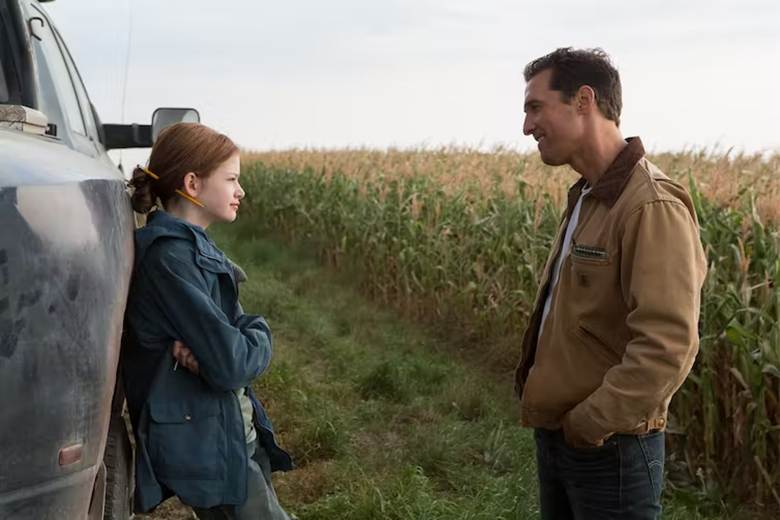
Cooper Convincing Her Daughter To Let Him Go to His Last Space Expedition

Interstellar is a 2014 sci-fi film directed by Christopher Nolan. Matthew McConaughey stars as Cooper, a pilot-turned-farmer leading a team of explorers through a wormhole to find a new home for humanity. They face challenges like time dilation and hostile life forms. This visually stunning film explores themes of love and sacrifice while delving into complex scientific concepts. With a stellar cast including Anne Hathaway and Jessica Chastain, Interstellar has received critical acclaim, boasting an IMDb rating of 8.6. It’s a must-watch for sci-fi enthusiasts and anyone seeking a thought-provoking cinematic experience.

 3. Prisoners

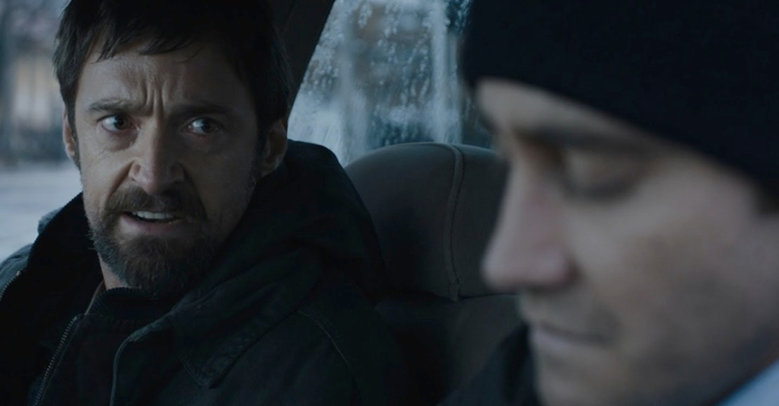
Mr. Dover Showing His Aggression To Detective Lokki On His Little Girl’s Missing

When Keller Dover’s daughter and her friend go missing, he intervenes on his own as the police follow numerous leads and the stakes get higher.

 4. Brokeback Mountain

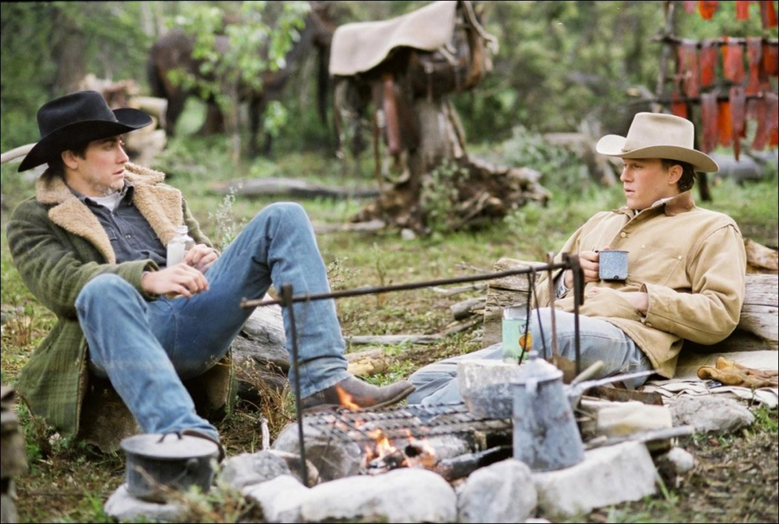
Ennis Delmar & Jack Twist Opening Up With Each Other Sparing Thir Leasure Time

Two shepherds named Ennis and Jack get close sexually and emotionally. When they each marry their respective women, their friendship gets complex.

Director- Ang Lee

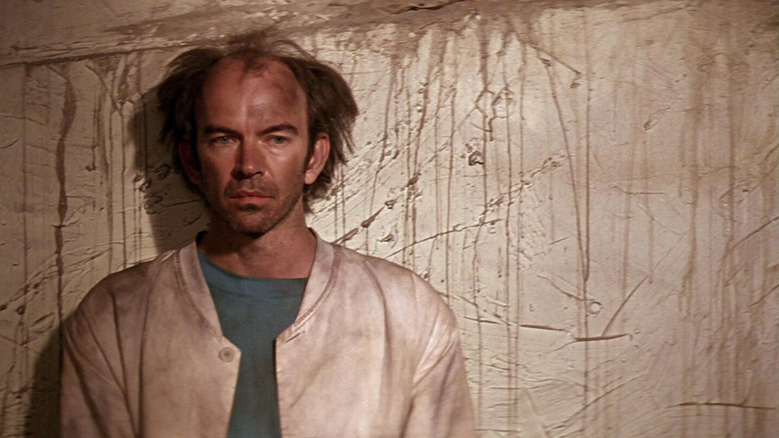
 5. Bad Boy Bubby

Bubby Being Emotional On His Mother’s Death

Due to his mother’s deception, Bubby has been imprisoned in the same cramped space for thirty years. One day he escapes, and his journey into the nihilistic and contemporary world begins, insane and naive in equal measure.

Best Classic Movies Of All Time You Can’t Afford To Skip Watching

Here, you will find the collection of the best 100 movies of all time that have been watched so frequently. This list will make you feel that you have found something you have been searching for so long if you are a movie freak and love to explore movies from different genres.

Deer Hunter:

 It tells the story of a group of Pennsylvania steelworkers whose lives are forever changed after they are sent to fight in the Vietnam War. The film is widely regarded as one of the best movies of all time, with its powerful performances, breathtaking cinematography, and emotionally-charged storyline.

One of the things that set The Deer Hunter apart from other war films is its focus on the psychological effects of war on its soldiers. The film follows a group of friends as they are drafted into the Vietnam War and sent to fight in the jungle. As they struggle to survive in the brutal, unfamiliar environment, they are forced to confront their own mortality and the horrors of war.

One of the standout performances in The Deer Hunter is that of Robert De Niro as Michael, a Vietnam War veteran who is scarred by his experiences in the jungle. De Niro delivers a raw and emotional performance that is sure to leave a lasting impression on audiences. Christopher Walken also gives a memorable performance as Nick, Michael’s best friend, and fellow soldier.

The cinematography in The Deer Hunter is also worth noting. The film features stunning shots of the Pennsylvania countryside and the lush jungles of Vietnam, which help to create a sense of atmosphere and place. The cinematography is also used to great effect in the film’s iconic wedding scene, which is set in a beautiful outdoor setting and shot in a way that captures the joy and happiness of the occasion.

The Deer Hunter is not just a war film, it is a powerful exploration of the human experience and the effects of war on the human psyche. It is a film that will stay with you long after the credits have rolled, and is truly one of the best movies of all time. With its powerful performances, stunning cinematography, and emotionally-charged storyline, The Deer Hunter is a must-see for any film fan.

Best Romantic Movies of All Time That Will Make Your Year

Titanic

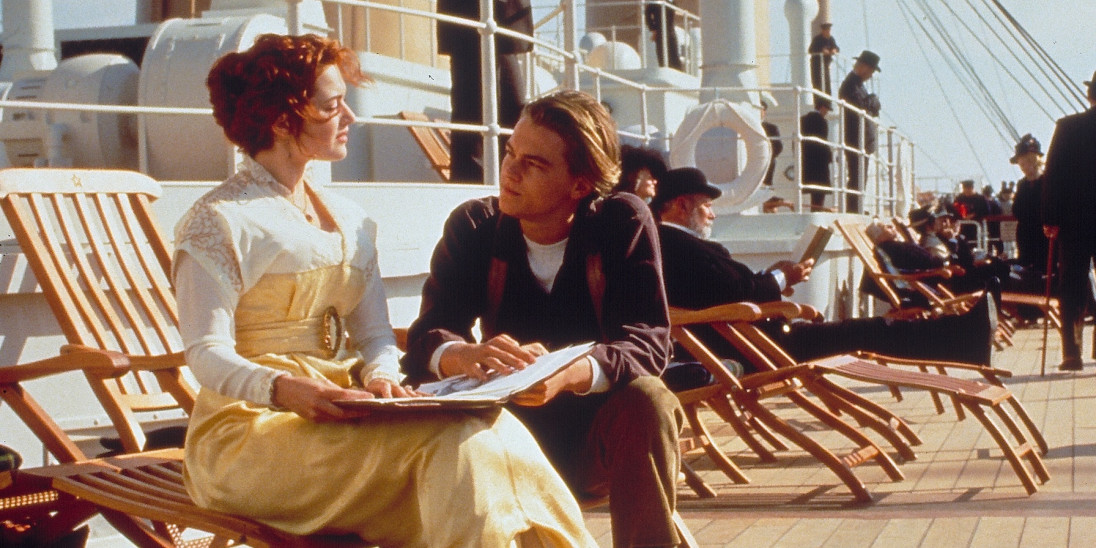
Titanic (1997) stands as one of the most iconic romantic movies of all time. Directed by James Cameron, this epic drama intertwines historical tragedy with an unforgettable love story between Jack Dawson (Leonardo DiCaprio) and Rose DeWitt Bukater (Kate Winslet). The film beautifully captures the passion, intensity, and challenges of young love set against the backdrop of the ill-fated RMS Titanic.

From the moment Jack and Rose meet on the ship’s deck to the heart-wrenching finale in the icy Atlantic waters, every scene is filled with romance, emotion, and cinematic brilliance. Titanic is not just a love story; it explores themes of class differences, sacrifice, and the fleeting nature of life and love. Its hauntingly beautiful soundtrack, including Celine Dion’s iconic songs, elevates the romantic atmosphere, making it a must-watch for lovers of epic romance.

For those seeking the best romantic movies to watch, Titanic is a timeless choice that blends historical drama with a love story that continues to captivate audiences worldwide. Its cultural impact and emotional depth make it one of the most romantic films ever made, perfect for any romantic movie marathon.

Brokeback Mountain

Brokeback Mountain (2005) is one of the most poignant and emotionally powerful romantic movies of all time. Directed by Ang Lee, this film tells the unconventional love story of Ennis Del Mar (Heath Ledger) and Jack Twist (Jake Gyllenhaal), two cowboys who form a deep emotional and romantic bond while working together in the mountains of Wyoming.

Set against the backdrop of the 1960s American West, the film explores themes of forbidden love, societal pressure, and the struggles of living a hidden romance. Ennis and Jack’s relationship spans decades, marked by longing, passion, and heartbreak, making it a deeply moving cinematic experience. With its breathtaking cinematography, intimate performances, and subtle storytelling, Brokeback Mountain transcends traditional romance, offering a tender yet heartrending portrayal of love constrained by social norms.

This film is a must-watch for those who appreciate romantic dramas that challenge conventions and highlight the complexity of human emotions. Its timeless story, unforgettable performances, and emotional depth earn it a place among the best romantic movies of all time, ideal for viewers seeking love stories that linger long after the credits roll.

Blue Valentine

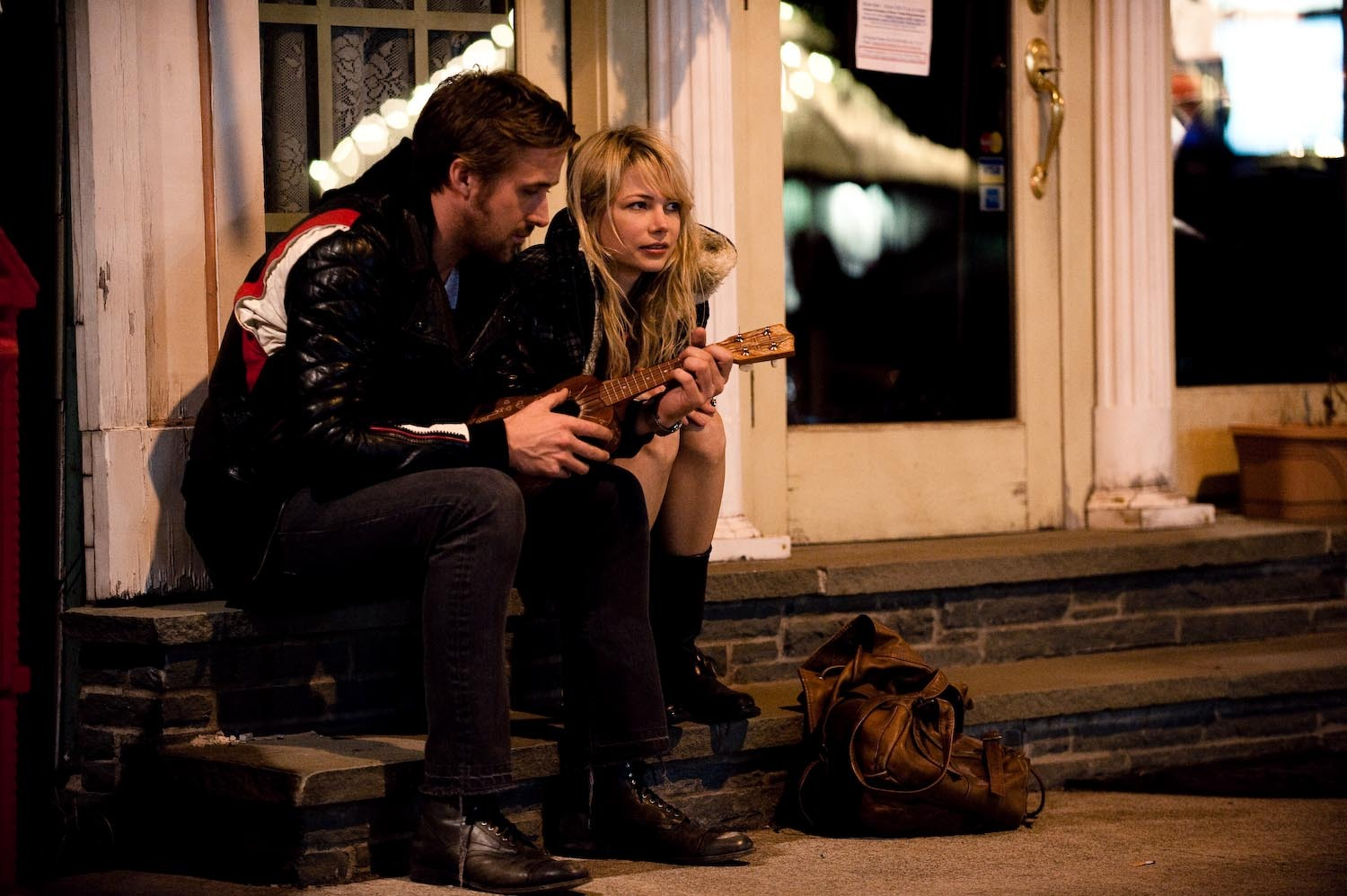
Blue Valentine (2010) is a deeply emotional and intimate romantic movie that explores the complexities of love and relationships. Directed by Derek Cianfrance, the film tells the story of Dean (Ryan Gosling) and Cindy (Michelle Williams), a couple whose passionate romance gradually deteriorates over time.

The movie alternates between their early, blissful days of love and the present, where their relationship struggles with disappointment, unmet expectations, and emotional distance. Unlike traditional romantic films, Blue Valentine focuses on the real, often painful aspects of love, highlighting both the intensity and fragility of human connections. The performances by Gosling and Williams are raw and deeply affecting, making the audience feel every moment of joy, longing, and heartbreak.

With its realistic storytelling, unfiltered portrayal of romance, and intimate cinematography, Blue Valentine stands out as a modern classic in the realm of romantic drama. It is a must-watch for viewers who appreciate romance that is authentic, emotional, and unafraid to show both the beauty and the heartbreak of love.

Lala Land

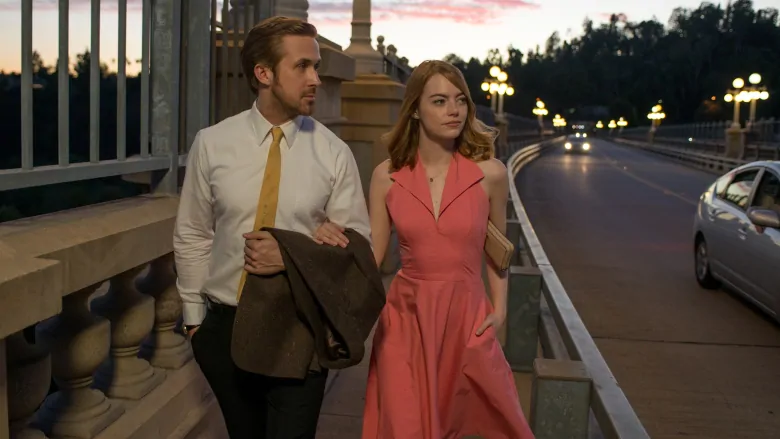
La La Land (2016) is a captivating romantic movie that blends music, dance, and a heartfelt love story. Directed by Damien Chazelle, the film follows the passionate yet complicated romance between aspiring actress Mia (Emma Stone) and jazz musician Sebastian (Ryan Gosling) in the vibrant city of Los Angeles.

The movie celebrates dreams, ambition, and the delicate balance between love and personal aspirations. Mia and Sebastian’s love story is beautifully portrayed through memorable musical numbers, colorful cinematography, and enchanting performances. While their romance is full of joy, laughter, and tender moments, it also highlights the bittersweet reality that love sometimes comes with sacrifices.

La La Land stands out as a romantic musical that is visually stunning, emotionally resonant, and culturally significant. Its enchanting soundtrack, including the award-winning songs like “City of Stars,” deepens the romantic atmosphere, making it a must-watch for fans of modern romance. This film is perfect for those who enjoy romantic movies that combine passion, ambition, and artistry, leaving viewers both inspired and emotionally moved.

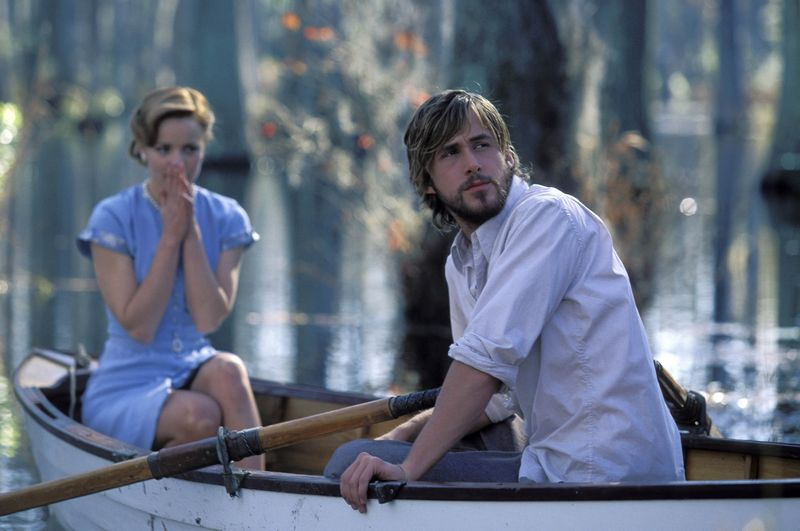
The Notebook

The Notebook (2004) is one of the most beloved romantic movies of all time, based on Nicholas Sparks’ bestselling novel. Directed by Nick Cassavetes, the film tells the enduring love story of Noah Calhoun (Ryan Gosling) and Allie Hamilton (Rachel McAdams), whose romance spans decades despite obstacles, family expectations, and social differences.

The movie masterfully portrays both the passionate intensity of young love and the enduring power of love in later years. Noah and Allie’s connection is heartfelt, filled with tender moments, emotional depth, and unforgettable chemistry that keeps audiences captivated. The Notebook explores themes of devotion, memory, and the sacrifices love sometimes demands, making it resonate with viewers across generations.

Its scenic cinematography, iconic rain-soaked kiss scene, and evocative soundtrack enhance the romantic atmosphere, solidifying its place among the best romantic movies ever made. For anyone looking for a story that combines emotion, longing, and timeless romance, The Notebook remains a must-watch.

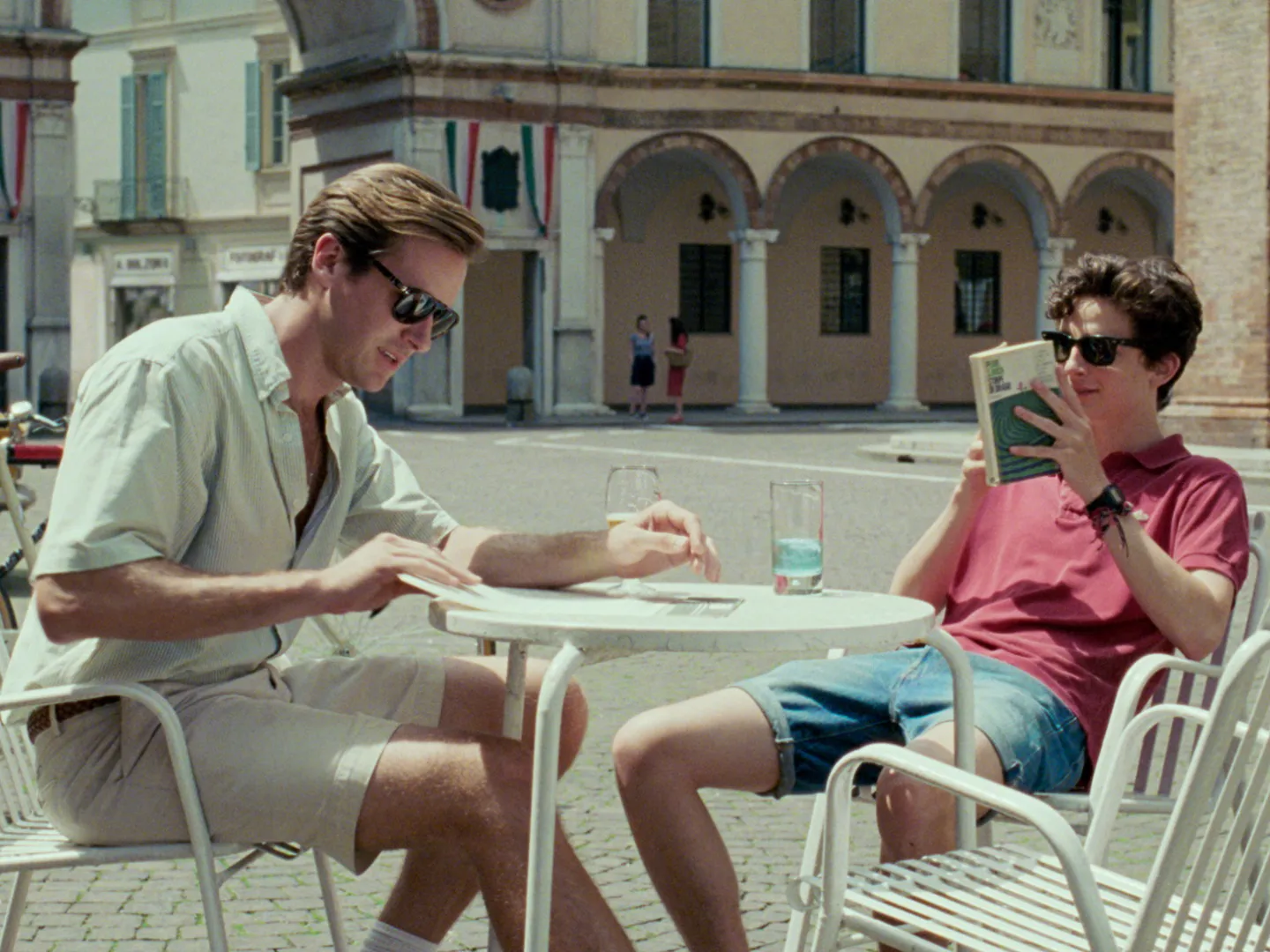
Call me by My Name

Call Me by Your Name (2017) is a beautifully intimate romantic movie that explores the awakening of first love. Directed by Luca Guadagnino and based on André Aciman’s novel, the film tells the story of Elio Perlman (Timothée Chalamet) and Oliver (Armie Hammer), whose passionate summer romance unfolds in the sun-drenched Italian countryside.

The film delicately captures the intensity, vulnerability, and exhilaration of young love. Elio and Oliver’s relationship is both tender and deeply emotional, portraying the excitement and complexity of falling in love for the first time. The cinematography, lush landscapes, and evocative soundtrack heighten the romantic atmosphere, immersing viewers in a sensorial experience of longing, desire, and connection.

Call Me by Your Name is a modern classic in romantic cinema, celebrating love that transcends age, expectation, and convention. Its subtle storytelling, heartfelt performances, and bittersweet narrative make it an essential watch for anyone seeking romantic movies that linger in the heart long after the credits roll.

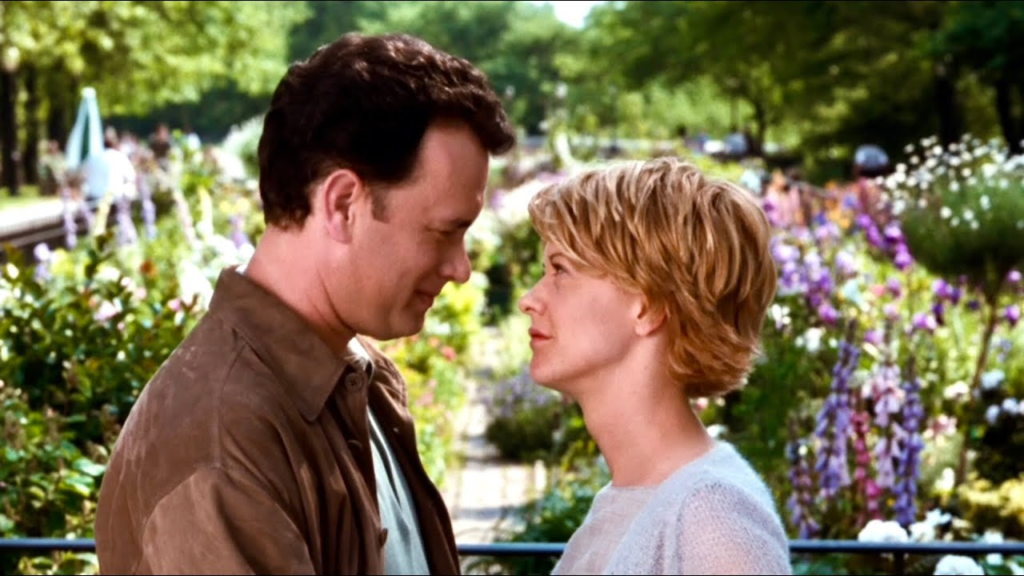
You’ve Got Mail

You’ve Got Mail (1998) is a delightful romantic movie that combines the magic of falling in love with the charm of the digital age. Directed by Nora Ephron, the film tells the story of Kathleen Kelly (Meg Ryan) and Joe Fox (Tom Hanks), two business rivals who unknowingly develop an online romance through anonymous emails.

The movie is a perfect blend of humor, sweetness, and heartfelt moments. Kathleen and Joe’s evolving relationship highlights the excitement, anticipation, and unexpected joy that comes with discovering love in unconventional ways. The contrast between their real-life tension as competitors and their growing virtual connection adds a playful yet touching layer to the story.

Set against the cozy streets of New York City, You’ve Got Mail captures the romance of both personal connection and city life. Its witty dialogue, charming performances, and feel-good storyline make it one of the best romantic movies for anyone seeking a lighthearted yet meaningful love story. Even decades later, it continues to resonate with audiences, reminding us that love often arrives in the most surprising ways.

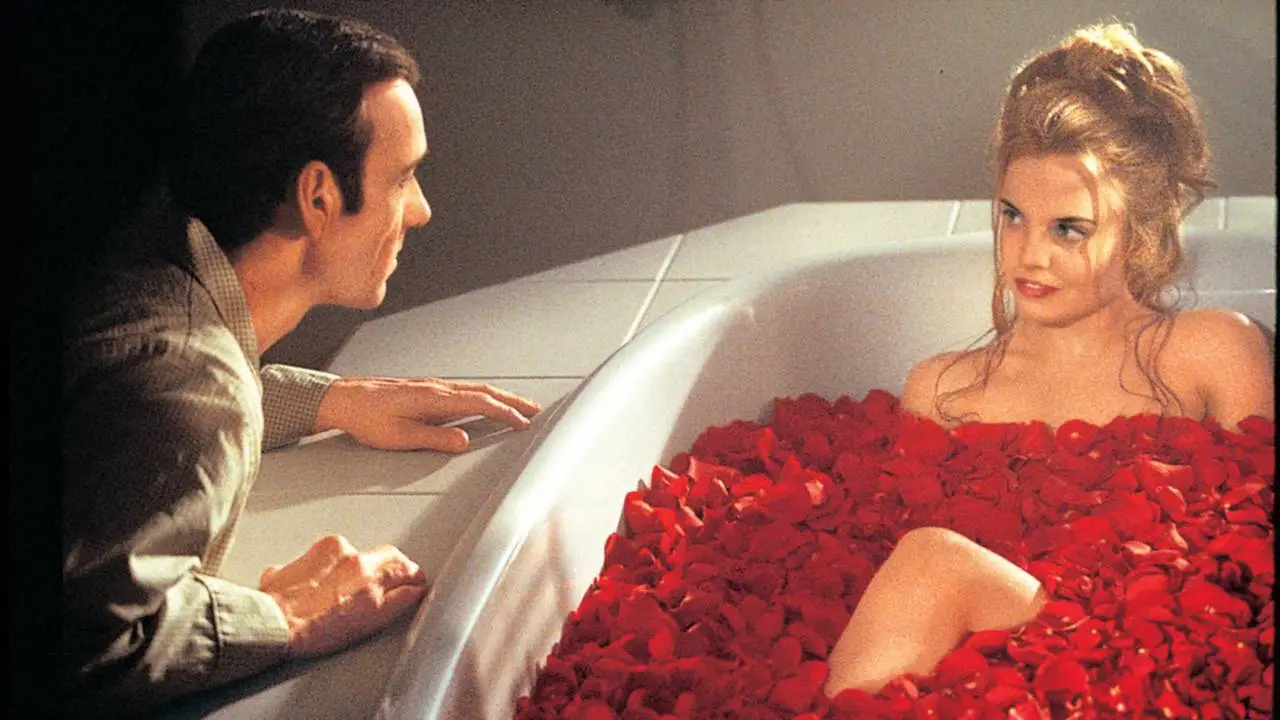
American Beauty

American Beauty (1999), directed by Sam Mendes, is a unique romantic movie that explores love, desire, and the complexities of human relationships in suburban America. The film follows Lester Burnham (Kevin Spacey), a disillusioned middle-aged man, who becomes infatuated with his daughter’s friend, Angela (Mena Suvari), while navigating the breakdown of his own marriage with Carolyn (Annette Bening).

Unlike traditional romantic films, American Beauty delves into the darker and more complicated aspects of love and longing. Lester’s journey is as much about self-discovery and personal liberation as it is about romance, showcasing how desire, obsession, and emotional fulfillment intertwine. The movie balances moments of beauty, humor, and melancholy, offering a realistic and thought-provoking perspective on relationships and human emotions.

With its iconic imagery, memorable performances, and Oscar-winning storytelling, American Beauty stands out as a modern classic that challenges conventional notions of love and romance. For viewers looking for a romantic movie that is both emotionally gripping and visually stunning, it offers a compelling exploration of passion, yearning, and the search for meaning in life and love.

True Romance

True Romance (1993), directed by Tony Scott and written by Quentin Tarantino, is a thrilling romantic movie that combines intense passion with high-stakes adventure. The film follows Clarence Worley (Christian Slater) and Alabama Whitman (Patricia Arquette), whose whirlwind romance sparks a journey filled with danger, crime, and unrelenting love.

From their very first meeting to the chaotic events that follow, Clarence and Alabama’s connection is electric and unshakable. Unlike traditional romantic films, True Romance blends romance with action, showcasing a love that is fearless, impulsive, and deeply devoted. Their relationship drives the narrative, demonstrating how love can give people the courage to face extreme challenges and confront life-threatening situations.

The movie’s sharp dialogue, memorable performances, and stylized direction make it both a romantic and adrenaline-filled cinematic experience. At its core, True Romance is a story about two people whose love defies convention, circumstance, and danger, proving that passion and loyalty can thrive even in the most chaotic worlds. For fans of romantic movies that are edgy, intense, and unforgettable, this film is a must-watch.